Understanding Home Valuation in Central Florida's Diverse Markets
Central Florida's real estate landscape is as varied as its communities. From the vibrant neighborhoods of Orlando to the suburban charm of Apopka, Clermont, and Ocoee, property values fluctuate based on unique local characteristics. Understanding your home's worth requires more than a quick online estimate—it demands knowledge of your specific market's dynamics.
The Central Florida region has experienced significant growth over the past several years, attracting families, investors, and professionals seeking affordable living with urban conveniences. However, this growth hasn't been uniform across all areas. Some neighborhoods have seen substantial appreciation, while others maintain steady, predictable values. Your home's location within this diverse market significantly influences its valuation.
The Regional Market Overview
Central Florida encompasses several distinct submarkets, each with its own characteristics. Orlando remains the economic hub, with diverse neighborhoods ranging from historic downtown areas to modern suburban developments. Apopka offers a more relaxed, family-oriented atmosphere with growing commercial development. Clermont appeals to those seeking a quieter lifestyle with excellent schools and recreational opportunities. Ocoee provides convenient access to major employment centers while maintaining community charm.
These communities attract different buyer demographics, which directly impacts property values and market trends. Understanding where your home fits within this regional context is the first step toward accurate valuation.
Key Factors That Impact Property Values in Your Area
Location and Neighborhood Characteristics
Location remains the most critical factor in home valuation. Properties near quality schools, shopping centers, parks, and major employment hubs command premium prices. In Central Florida, proximity to major employers, theme parks, and transportation corridors significantly influences value.
- School District Quality: Top-rated schools consistently drive property values higher
- Walkability and Amenities: Neighborhoods with parks, restaurants, and retail attract more buyers
- Commute Times: Shorter commutes to employment centers increase desirability
- Community Safety: Low crime rates are a major value driver
Property Characteristics and Condition
Your home's physical attributes directly impact its market value. Age, size, condition, and unique features all play crucial roles in valuation.
- Square Footage: Larger homes typically command higher prices, though price per square foot varies by location
- Number of Bedrooms and Bathrooms: Three-bedroom, two-bathroom homes remain the most marketable in Central Florida
- Home Condition: Well-maintained properties with updated systems fetch premium prices
- Special Features: Pools, updated kitchens, energy-efficient systems, and outdoor living spaces add significant value
- Age and Style: Newer homes and popular architectural styles may command higher valuations
Market Conditions and Trends
The broader real estate market significantly influences individual property values. Interest rates, inventory levels, buyer demand, and economic conditions all affect what buyers are willing to pay.
Central Florida's market has shown resilience and steady growth, making it an attractive investment region. However, market conditions fluctuate, and understanding current trends helps you price your home competitively. Homes in high-demand areas may appreciate faster than those in slower-moving neighborhoods.
Comparable Sales and Market Data
Professional appraisers rely heavily on comparable sales—recently sold homes similar to yours in your area. These "comps" provide the most reliable valuation data. Homes that sold within the last three to six months in your neighborhood offer the most accurate pricing benchmarks.
Pro Tip: Request a Comparative Market Analysis (CMA) from a local real estate agent to see recent sales data for homes similar to yours.
How to Assess Your Home's Worth Before Listing
Step 1: Gather Property Information
Start by documenting your home's details: square footage, lot size, year built, number of rooms, and any recent upgrades or renovations. This information forms the foundation for accurate valuation.
Step 2: Research Recent Sales
Visit online real estate platforms to research recently sold homes in your neighborhood. Look for properties with similar characteristics—size, age, condition, and location. Pay attention to sale prices and how long homes took to sell. This research provides valuable context for your home's potential value.
Step 3: Consider Your Home's Condition
Be honest about your home's condition. Deferred maintenance reduces value significantly. Conversely, recent upgrades—new roof, updated HVAC system, modern kitchen—increase appeal and value. Document all improvements and their approximate costs.
Step 4: Account for Unique Features
Does your home have features that set it apart? A large lot, mature landscaping, updated pool, or energy-efficient systems can justify premium pricing. However, unusual features that appeal to niche buyers may limit your market.
Step 5: Get a Professional Appraisal
While online estimates provide starting points, a professional appraisal offers the most accurate valuation. Licensed appraisers conduct thorough inspections and use sophisticated analysis to determine fair market value. This investment typically costs $300-$500 but provides invaluable information for pricing decisions.
Next Steps: Getting Your Home Market-Ready for Success
Prepare for the Market
Once you understand your home's value, preparation becomes essential. First impressions matter tremendously. Invest in curb appeal—fresh landscaping, clean exterior, and attractive entry ways draw buyers in. Inside, ensure your home is clean, decluttered, and well-maintained.
Price Strategically
Accurate pricing is crucial for success. Overpricing leads to extended market time and eventual price reductions, which signal problems to buyers. Underpricing leaves money on the table. Work with a knowledgeable local real estate agent who understands Central Florida's diverse markets and can price your home competitively.
Market Your Home Effectively
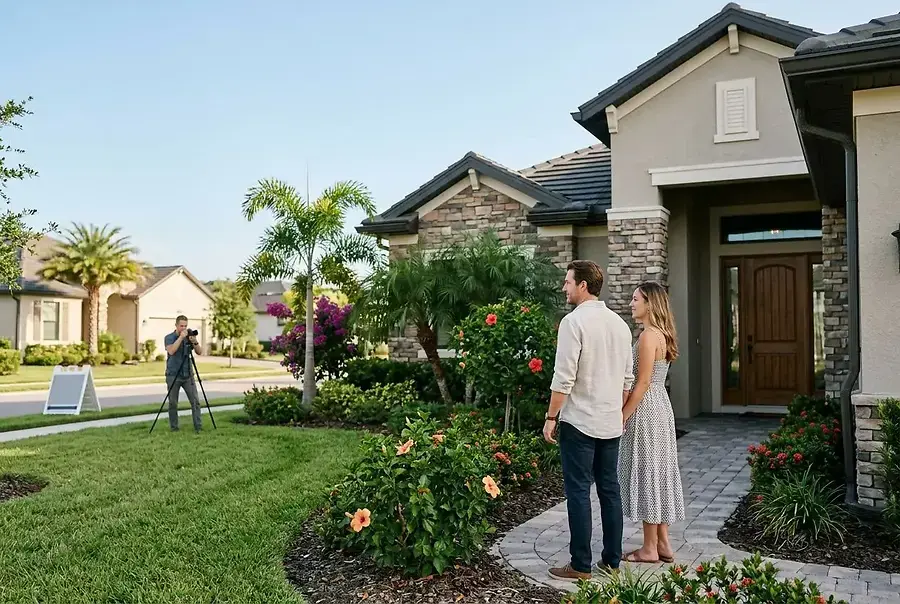
Professional photography, virtual tours, and strategic marketing highlight your home's best features. In today's market, most buyers begin their search online, so compelling listings are essential. Your real estate agent should employ modern marketing strategies to reach qualified buyers.
Be Prepared to Negotiate
Even well-priced homes typically receive offers below asking price. Understand your home's value range and establish your bottom line before negotiations begin. Flexibility on minor issues often leads to successful transactions.
Understanding your home's worth in Central Florida's diverse markets empowers you to make informed decisions. Whether you're selling, refinancing, or simply curious about your property's value, the factors outlined in this guide provide a solid foundation. Consider consulting with local real estate professionals who understand the nuances of Apopka, Clermont, Ocoee, Orlando, and surrounding communities to ensure you're making decisions based on accurate, current market data.