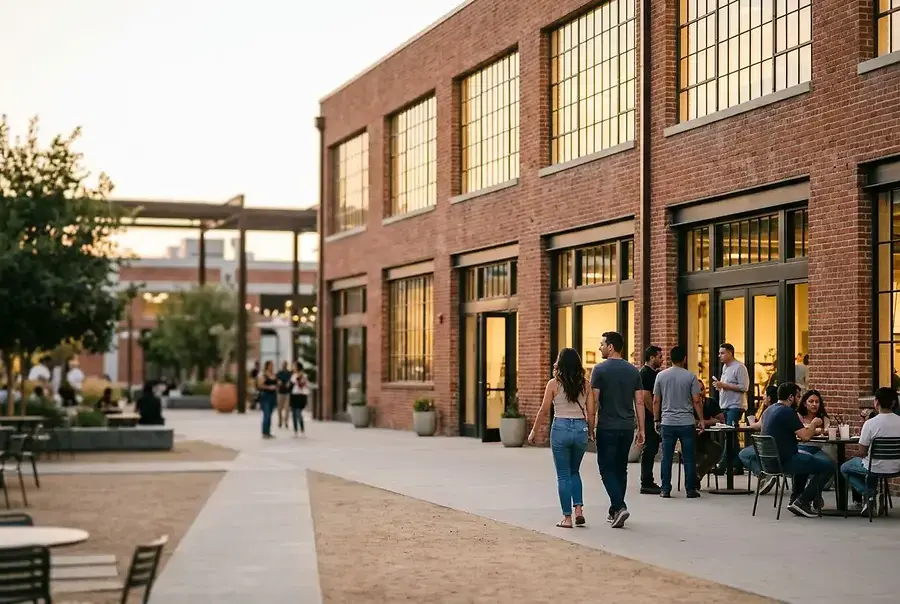
Understanding Adaptive Reuse Opportunities in City of Industry
City of Industry stands at the forefront of urban revitalization, with its vast inventory of underutilized industrial spaces presenting unprecedented opportunities for developers and investors. The region's strategic location, combined with its industrial heritage, creates an ideal environment for adaptive reuse projects that breathe new life into aging warehouses and manufacturing facilities.
Adaptive reuse involves converting existing buildings for new purposes while preserving their original architectural character. In City of Industry, this approach has proven particularly effective, as the area's industrial structures offer spacious floor plans, high ceilings, and robust construction that naturally lend themselves to creative transformations. Whether converting warehouses into loft apartments, creative studios, or mixed-use developments, the potential is virtually limitless.
Why City of Industry is Ideal for Adaptive Reuse
Several factors make City of Industry an attractive hub for adaptive reuse projects:
- Abundant Inventory: The region contains numerous vacant and underutilized industrial buildings ready for transformation.
- Strategic Location: Proximity to major transportation corridors and urban centers enhances accessibility and market appeal.
- Community Support: Local stakeholders recognize the value of revitalization and actively support redevelopment initiatives.
- Economic Growth: The region's expanding economy creates demand for diverse commercial and residential spaces.
Regulatory Requirements and Zoning Considerations for Conversion Projects
Successfully navigating the regulatory landscape is crucial for any adaptive reuse project. City of Industry has established clear guidelines to facilitate conversions while maintaining community standards and safety requirements.
Zoning and Land Use Regulations
Before initiating a conversion project, developers must understand the current zoning classification of their target property. City of Industry offers flexible zoning options that accommodate mixed-use developments, allowing industrial spaces to be repurposed for residential, commercial, or hybrid uses. Zoning variances and conditional use permits may be required depending on the proposed conversion, necessitating engagement with the city planning department early in the development process.
Building Codes and Safety Compliance
Converting industrial spaces requires strict adherence to modern building codes, including:
- Fire safety systems and egress requirements
- ADA accessibility standards
- Environmental remediation and hazardous material assessment
- Structural integrity evaluations
- Mechanical, electrical, and plumbing system upgrades
While these requirements represent significant investments, they ensure the safety and viability of converted spaces. Engaging experienced architects and engineers familiar with adaptive reuse projects is essential to navigate these complexities efficiently.
Environmental Considerations
Industrial properties may require environmental assessments to identify potential contamination. City of Industry provides resources and guidance for remediation, and in many cases, developers can access tax credits and grants to offset environmental cleanup costs.
Financial Incentives and Funding Options for Redevelopment
The financial feasibility of adaptive reuse projects has improved significantly due to various incentive programs and funding mechanisms available to developers in City of Industry.
Tax Credits and Incentives
Federal Historic Preservation Tax Credits offer substantial deductions for projects involving historically significant structures. Additionally, New Markets Tax Credits and Opportunity Zone benefits can significantly reduce project costs and improve return on investment. State and local programs further enhance financial viability through property tax abatements and sales tax exemptions on materials.
Funding Sources
Multiple funding avenues support adaptive reuse projects:
- Traditional Bank Financing: Conventional loans remain available for projects with strong fundamentals and experienced sponsors.
- Government Grants: Federal and state grants support revitalization efforts, particularly in economically disadvantaged areas.
- Public-Private Partnerships: Collaborative arrangements between developers and municipal entities can reduce financial burden and accelerate project timelines.
- Impact Investors: Growing interest in sustainable development attracts investors seeking both financial returns and community benefits.
Economic Analysis and ROI Projections
Successful adaptive reuse projects demonstrate strong financial performance. Mixed-use developments combining residential, retail, and office spaces typically generate diversified revenue streams that enhance stability and profitability. Developers should conduct thorough market analysis and financial modeling to validate assumptions and secure investor confidence.
Success Stories: Case Studies of Profitable Conversions in the Area
City of Industry's adaptive reuse landscape includes several inspiring examples that demonstrate the viability and profitability of conversion projects.
The Warehouse Arts District Transformation
One prominent example involved converting a 150,000-square-foot former manufacturing facility into a vibrant mixed-use development. The project incorporated artist lofts, creative studios, gallery spaces, and ground-floor retail. By preserving the building's industrial aesthetic while modernizing systems and amenities, the developer created a unique destination that attracted tenants and visitors. The project achieved full occupancy within two years and generated returns exceeding initial projections.
Industrial-to-Residential Conversion Success
Another notable project transformed a vacant warehouse into 120 luxury loft apartments. The conversion preserved original exposed brick, timber beams, and soaring ceilings while incorporating contemporary finishes and smart home technology. Strong market demand for authentic urban living spaces resulted in rapid lease-up and premium rental rates, establishing the property as a flagship residential development in the region.
Lessons from Successful Projects
"The key to successful adaptive reuse is understanding your market, respecting the building's character, and investing in quality execution. Projects that balance preservation with innovation consistently outperform expectations."
Successful conversions share common characteristics:
- Thorough due diligence and realistic cost estimation
- Experienced development teams with adaptive reuse expertise
- Strong market research and tenant/buyer identification
- Commitment to quality design and construction
- Engagement with community stakeholders
Future Outlook
As City of Industry continues to evolve, adaptive reuse projects will play an increasingly important role in the region's economic and community development. The combination of available properties, supportive regulatory environment, financial incentives, and proven success stories positions the area as a premier destination for developers seeking profitable redevelopment opportunities.
For investors and developers considering entry into this market, the time is opportune. With careful planning, strategic partnerships, and a commitment to quality execution, adaptive reuse projects in City of Industry offer compelling financial returns while contributing to meaningful community transformation.