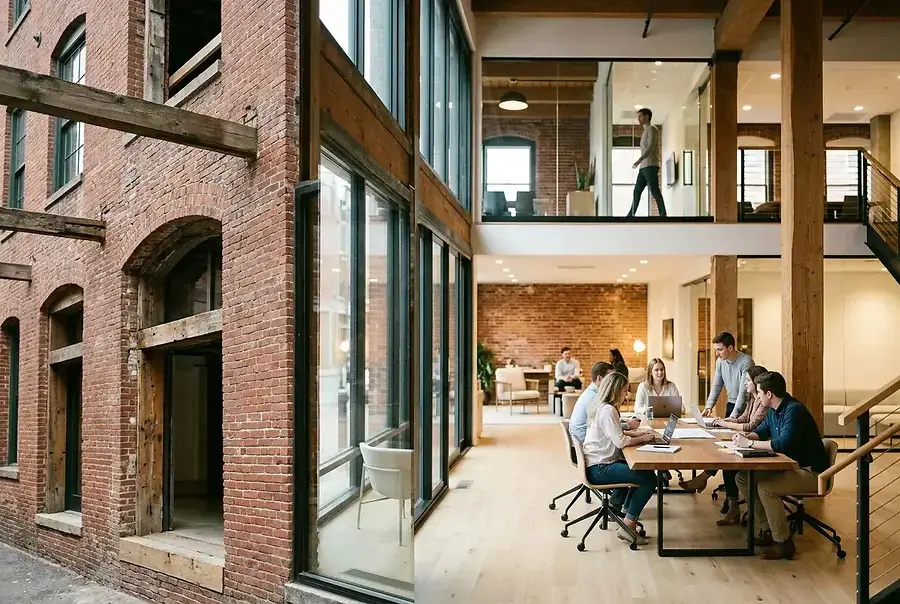
The Rise of Adaptive Reuse in Boston's Commercial Sector
Boston's skyline tells a story of centuries past, with historic buildings standing as monuments to the city's rich industrial and commercial heritage. Today, these architectural treasures are experiencing a remarkable renaissance through adaptive reuse—the strategic conversion of existing structures into new commercial purposes. This trend represents far more than nostalgia; it's a savvy investment strategy that combines financial returns with sustainable urban development.
The adaptive reuse movement in Boston has gained significant momentum in recent years, driven by several compelling factors. Rising construction costs, limited available land, and growing demand for authentic, character-filled commercial spaces have made historic building conversions increasingly attractive to investors and developers. Unlike new construction projects that can take years to complete and require substantial capital investment, adaptive reuse projects often move faster and generate returns more efficiently.
Boston's unique position as a city with centuries of architectural history provides an exceptional inventory of candidates for transformation. From former textile mills in the Seaport District to abandoned warehouses in Fort Point Channel, opportunities abound for those with vision and expertise.
Identifying High-Potential Properties for Conversion and Redevelopment
Location and Market Demand
The first step in identifying viable adaptive reuse opportunities is understanding market dynamics. Properties located in emerging neighborhoods or areas experiencing revitalization tend to offer the best potential for success. Proximity to transportation hubs, amenities, and workforce centers significantly impacts the viability of any conversion project.
Successful adaptive reuse projects typically share common characteristics:
- Strong bones and structural integrity that can support modern building systems
- Adequate ceiling heights and open floor plans that appeal to contemporary tenants
- Existing infrastructure that can be upgraded rather than completely replaced
- Historic or architectural significance that adds value and character
- Strategic location in neighborhoods with growing commercial demand
Financial Feasibility Analysis
Before committing to a project, thorough financial analysis is essential. Developers must carefully evaluate acquisition costs, renovation expenses, carrying costs during conversion, and projected rental income. Many adaptive reuse projects benefit from tax incentives, including federal historic preservation tax credits that can offset 20% of qualified rehabilitation expenses.
The key to successful adaptive reuse is finding the sweet spot between preservation and modernization—honoring a building's historic character while meeting contemporary commercial standards.
Tenant Mix and End-Use Strategy
Identifying the right end-use for a property is critical. Boston's market currently shows strong demand for:
- Creative office spaces for tech and media companies
- Flexible co-working environments
- Mixed-use developments combining office, retail, and hospitality
- Specialized spaces for startups and innovation hubs
- Event venues and cultural spaces
Navigating Permits, Zoning, and Regulatory Requirements for Historic Buildings
Historic Preservation Review
Boston's historic buildings often fall under the purview of the Boston Landmarks Commission or are listed on the National Register of Historic Places. Any exterior modifications or significant alterations require approval from these bodies. While this adds complexity to projects, it also protects property values and ensures that character-defining features are preserved.
The review process typically involves:
- Submitting detailed architectural plans and specifications
- Demonstrating how the project respects historic character
- Obtaining approval before construction begins
- Maintaining documentation of all preservation work
Zoning and Code Compliance
Converting a historic building to a new use often requires navigating complex zoning regulations. Many older Boston buildings were constructed under zoning codes that differ significantly from current requirements. Developers may need to seek variances, special permits, or zoning amendments to accommodate modern commercial uses.
Common challenges include:
- Parking requirements that exceed available space
- Setback and lot coverage restrictions
- Height limitations in historic districts
- Accessibility requirements for modern commercial use
- Building code updates for fire safety and structural systems
Building Systems and Code Updates
Historic buildings often require substantial upgrades to meet modern building codes. HVAC systems, electrical infrastructure, plumbing, and fire suppression systems typically need complete replacement or significant upgrades. However, these investments often qualify for historic preservation tax credits, making the financial burden more manageable.
Successful developers work closely with architects, engineers, and code officials early in the planning process to identify potential challenges and develop solutions that honor the building's historic character while meeting all regulatory requirements.
Maximizing ROI Through Strategic Adaptive Reuse Projects
The most successful adaptive reuse projects in Boston share a common thread: strategic planning combined with flexibility and creativity. Developers who understand both the financial and regulatory landscape can identify opportunities that others overlook.
Key strategies for maximizing returns include:
- Leverage tax incentives: Federal and state historic preservation tax credits can significantly reduce project costs
- Secure long-term tenants: Anchor tenants provide stable cash flow and reduce vacancy risk
- Create mixed-use developments: Combining office, retail, and hospitality uses increases revenue potential
- Build community partnerships: Engaging with neighborhood stakeholders can facilitate approvals and create goodwill
- Plan for future flexibility: Designing spaces that can accommodate multiple uses increases long-term value
Boston's adaptive reuse market continues to evolve, with investors recognizing that historic buildings represent not just preservation opportunities, but genuine financial assets. As the city continues to grow and evolve, the demand for distinctive, character-filled commercial spaces will only increase.
For forward-thinking developers and investors, Boston's inventory of historic buildings represents a remarkable opportunity. By combining financial acumen with respect for architectural heritage, adaptive reuse projects can deliver impressive returns while contributing to the city's vibrant, sustainable future. The buildings that once powered Boston's industrial economy are now powering a new generation of commercial success.