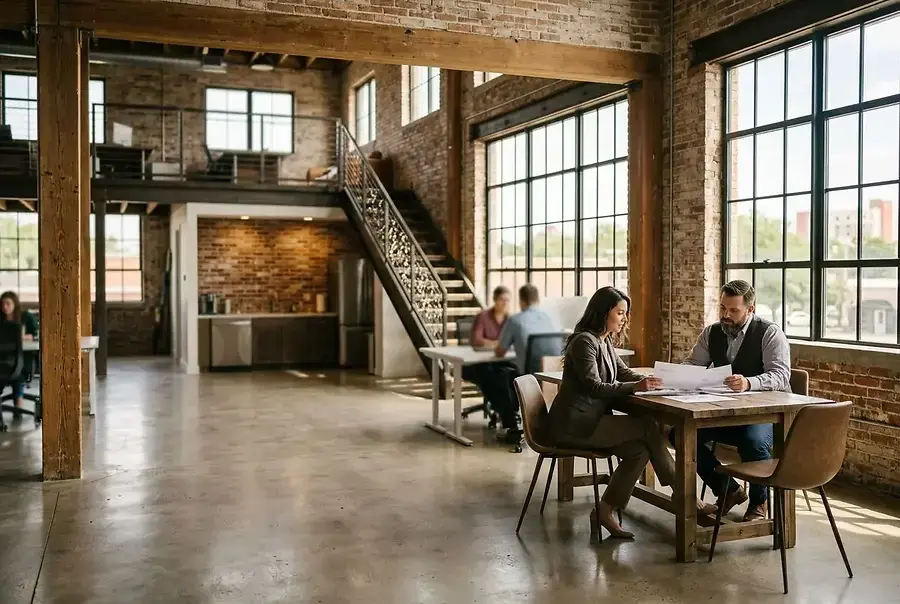
The Growing Demand for Adaptive Reuse in Lakeland
Lakeland's commercial real estate market is experiencing a significant shift. Rather than demolishing aging commercial buildings, savvy investors and property owners are discovering the tremendous value in adaptive reuse—the practice of converting outdated structures into modern, functional spaces that meet contemporary tenant demands.
This trend reflects a broader market reality: new construction is expensive, time-consuming, and increasingly constrained by land availability. Adaptive reuse offers a compelling alternative. By breathing new life into existing properties, developers can capitalize on established locations, reduce environmental impact, and create distinctive spaces that command premium rents.
Lakeland's diverse inventory of older commercial buildings—from historic warehouses to defunct retail centers—presents exceptional opportunities for forward-thinking investors. Properties that once seemed like liabilities are now being recognized as hidden assets waiting to be unlocked.
Identifying Properties with Strong Adaptive Reuse Potential
Structural Integrity and Location
The first step in identifying viable adaptive reuse candidates is assessing structural soundness. Properties with solid bones—strong foundations, quality framing, and intact roof systems—are ideal candidates. Location is equally critical. Properties in walkable neighborhoods, near transportation hubs, or in emerging commercial districts offer the highest potential for success.
Building Characteristics That Add Value
Look for properties with these desirable features:
- High ceilings and open floor plans that provide flexibility for modern tenant configurations
- Large windows and natural light that reduce operational costs and improve tenant satisfaction
- Unique architectural elements such as exposed brick, timber beams, or original hardwood floors that create character and appeal
- Adequate parking and loading areas that support modern business operations
- Proximity to amenities including restaurants, retail, and entertainment venues
Market Demand Assessment
Before committing capital, conduct thorough market research. What types of tenants are seeking space in Lakeland? Are there unmet demands for office space, creative studios, mixed-use developments, or hospitality venues? Understanding local market dynamics ensures your adaptive reuse project aligns with genuine tenant demand and rental rate potential.
Financial Feasibility
Evaluate acquisition costs, renovation expenses, and projected rental income. Properties requiring extensive structural repairs or located in low-demand areas may not justify the investment. Conversely, well-positioned buildings with moderate renovation needs often deliver exceptional returns.
Navigating Permits, Zoning, and Regulatory Requirements
Zoning Compliance and Variances
Before proceeding with any adaptive reuse project, verify that your intended use aligns with current zoning regulations. Many older Lakeland properties are zoned for their original use, which may not match your vision. Zoning variances or conditional use permits may be necessary, requiring approval from local planning boards.
This process can be time-consuming but is manageable with proper planning and professional guidance. Engage with city planners early to understand requirements and build relationships that facilitate approvals.
Building Codes and Safety Standards
Adaptive reuse projects must comply with current building codes, which often differ significantly from codes in effect when the original structure was built. Key considerations include:
- Fire safety systems and egress requirements
- ADA accessibility standards for employees and visitors
- Energy efficiency and HVAC system upgrades
- Electrical and plumbing system modernization
- Hazardous material remediation (asbestos, lead paint, etc.)
Budget for comprehensive code compliance assessments conducted by qualified professionals. These investments protect your project from costly delays and ensure tenant safety.
Historic Preservation Incentives
If your property qualifies as historic, you may access valuable tax credits and grants. Federal and state historic preservation programs offer financial incentives for projects that maintain architectural integrity while modernizing functionality. These programs can significantly improve project economics.
Environmental Assessments
Phase I and Phase II environmental site assessments are essential for older properties. Identifying potential contamination early allows you to budget for remediation and avoid unexpected costs during construction. Many lenders require these assessments before financing adaptive reuse projects.
Permitting Timeline and Strategy
Plan for a 6-12 month permitting timeline depending on project complexity. Engage experienced architects, engineers, and permitting consultants who understand Lakeland's regulatory landscape. Their expertise accelerates approvals and prevents costly mistakes.
"The most successful adaptive reuse projects are those where developers invest time upfront in understanding regulatory requirements and building relationships with municipal officials."
Turning Outdated Assets into Premium Income-Generating Properties
Adaptive reuse transforms Lakeland's commercial real estate landscape by converting underutilized properties into vibrant, profitable assets. The process requires careful site selection, thorough due diligence, and strategic navigation of regulatory requirements—but the rewards are substantial.
Properties successfully repositioned through adaptive reuse command premium rents, attract quality tenants, and generate strong returns on investment. Beyond financial benefits, these projects revitalize neighborhoods, preserve architectural heritage, and create distinctive spaces that enhance Lakeland's commercial appeal.
For investors and developers ready to embrace this opportunity, Lakeland's inventory of aging commercial buildings represents not a problem to be demolished, but a goldmine of potential waiting to be unlocked. The market is ready. The demand is clear. The time to act is now.