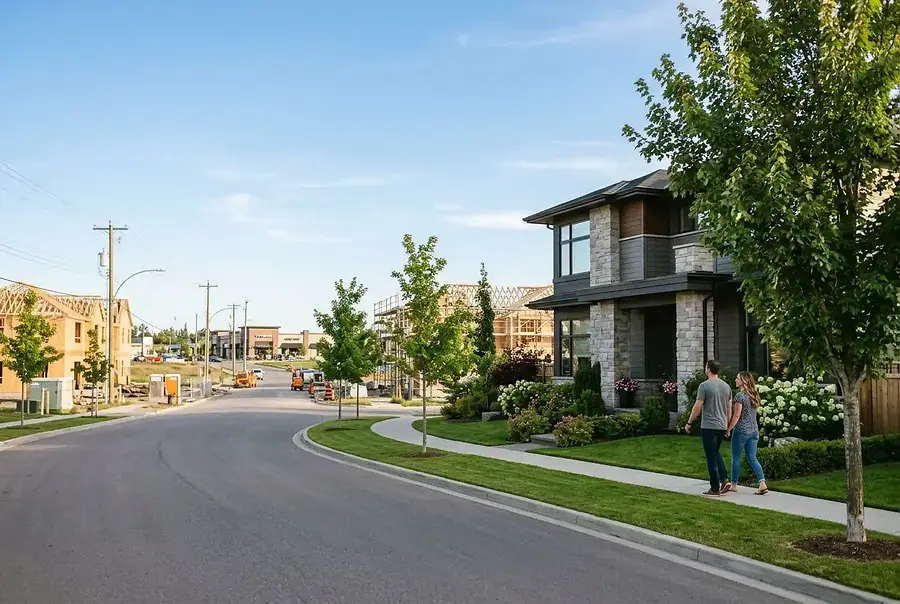
Understanding Property Appreciation Drivers
Property appreciation is the foundation of real estate wealth building. When you purchase a home, you're not just buying a place to live—you're making an investment in your financial future. Understanding what drives property values is crucial for making informed decisions that will pay dividends for years to come.
Several key factors influence how much a property appreciates over time. Economic growth in the area plays a significant role, as regions experiencing job creation and business expansion tend to see higher property values. Additionally, supply and demand dynamics matter tremendously. When desirable properties are limited and demand is high, prices naturally increase.
Other important drivers include:
- Population growth and demographic trends
- Infrastructure development and improvements
- School district quality and ratings
- Crime rates and neighborhood safety
- Interest rates and lending conditions
- Overall market sentiment and investor confidence
The most successful property investors understand that appreciation isn't random—it's driven by measurable, identifiable factors that can be researched and analyzed.
Location Analysis: Neighborhoods Positioned for Growth
The real estate adage "location, location, location" exists for a reason. Your property's location is perhaps the single most important factor determining its appreciation potential. A mediocre house in an excellent location will almost always outperform an exceptional house in a declining neighborhood.
Identifying Growth Corridors
Look for neighborhoods experiencing planned infrastructure development. New transit lines, highway expansions, or commercial centers can dramatically increase property values. Research city planning documents and development proposals to identify areas positioned for growth before they become obvious to the general market.
Analyzing Economic Indicators
Study employment trends in your target area. Are major employers expanding? Are new companies relocating to the region? Job growth is a powerful predictor of property appreciation because it attracts residents and increases demand for housing. Check local economic reports and business news to gauge the health of the regional economy.
Evaluating School Districts
Properties in top-rated school districts command premium prices and appreciate faster. Families prioritize education, making excellent schools a major driver of demand. Even if you don't have children, investing in a strong school district property is a smart financial move because your buyer pool will be larger when you eventually sell.
Assessing Neighborhood Trajectory
Visit neighborhoods at different times of day and on different days of the week. Look for signs of investment and improvement: new businesses opening, properties being renovated, and community engagement. Conversely, avoid areas showing signs of decline such as vacant storefronts, neglected properties, or decreasing foot traffic.
"The best time to invest in a neighborhood is when it's on the cusp of transformation, not after it's already become obvious to everyone else."
Property Features That Build Long-Term Equity
While location is paramount, the property itself matters significantly for appreciation potential. Certain features and characteristics make homes more desirable and valuable over time.
Structural Quality and Condition
A well-maintained home with solid bones will appreciate better than one requiring major repairs. Have a thorough inspection conducted before purchasing. Look for quality construction, updated electrical and plumbing systems, and a sound roof. These foundational elements are expensive to fix and significantly impact a property's value.
Timeless Design and Functionality
Avoid properties with overly trendy or dated designs. Neutral colors, classic layouts, and functional floor plans appeal to the broadest range of buyers and maintain their appeal across market cycles. Properties that feel stuck in a particular era tend to appreciate more slowly than those with timeless aesthetics.
Outdoor Space and Land Value
Land is finite and increasingly valuable. Properties with larger lots, mature landscaping, or unique outdoor features often appreciate faster. Consider the potential for future development or expansion—a property with room to grow is more valuable than one on a postage-stamp lot.
Energy Efficiency and Modern Systems
Modern buyers increasingly value energy-efficient features. Properties with updated HVAC systems, quality insulation, and efficient appliances command higher prices and attract more buyers. These improvements also reduce operating costs, making the property more attractive to long-term owners.
Making Smart Purchases for Future Value
Identifying properties with appreciation potential is only half the battle. You must also purchase wisely to maximize your returns.
Buy Below Market Value
The best investments are made at the purchase price, not at the sale. Look for properties that are undervalued relative to comparable homes in the area. This might include homes needing cosmetic updates, properties with motivated sellers, or houses that have been on the market longer than typical. Purchasing below market value gives you immediate equity and a cushion for appreciation.
Consider Value-Add Opportunities
Properties that can be improved relatively inexpensively often appreciate faster. Strategic renovations—such as updating kitchens, bathrooms, or adding fresh paint and landscaping—can significantly increase a property's value. However, avoid over-improving for the neighborhood. A $500,000 renovation in a $400,000 neighborhood won't pay off.
Think Long-Term
Real estate appreciation takes time. While some markets experience rapid growth, most properties appreciate steadily over years and decades. Plan to hold your property for at least five to seven years to allow appreciation to overcome transaction costs and build meaningful equity. Short-term speculation is risky; long-term investing is rewarding.
Diversify Your Portfolio
Don't put all your resources into a single property or neighborhood. Consider investing in multiple properties across different areas and price points. Diversification reduces risk and increases your chances of capturing appreciation in growing markets.
Building wealth through real estate requires patience, research, and strategic decision-making. By understanding appreciation drivers, carefully analyzing locations, selecting properties with strong fundamentals, and making smart purchases, you can build a portfolio of properties that appreciate steadily over time. The key is to think like an investor, not just a homebuyer, and to make decisions based on data and long-term potential rather than emotion or short-term trends.