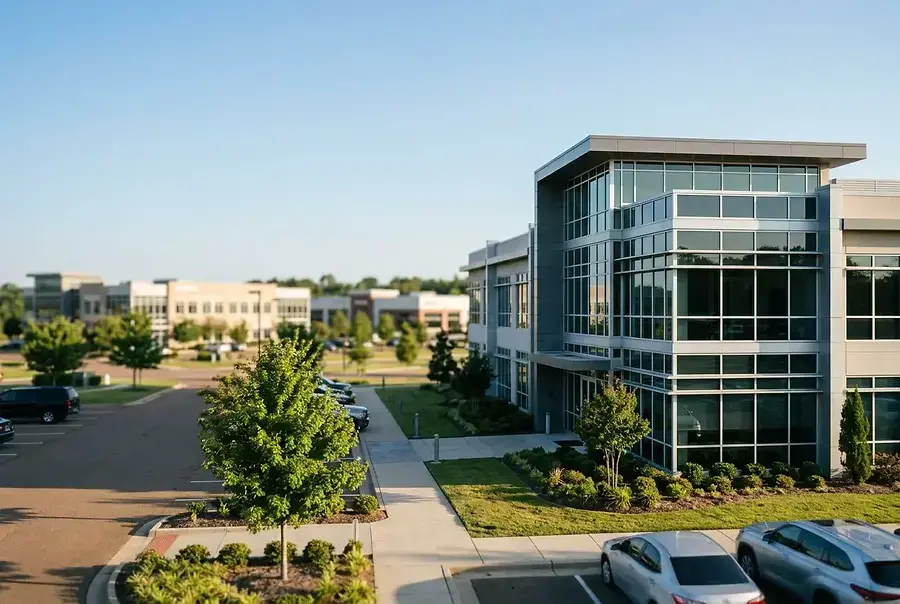
Introduction: Why Commercial Property Investment Matters in the Jackson Metro Area
The Jackson Metro area represents one of Mississippi's most dynamic commercial real estate markets. With growing economic development, diverse business opportunities, and strategic locations across Ridgeland, Jackson, Madison, Flowood, and Richland, commercial property investment has become increasingly attractive to both seasoned investors and first-time buyers. Whether you're looking to expand your business portfolio or establish your company's headquarters, understanding the commercial property landscape is essential for making informed decisions.
Commercial real estate offers multiple advantages, including potential for long-term appreciation, steady rental income, and tax benefits. The Jackson Metro region's continued growth and development make it an ideal time to explore commercial property opportunities.
Understanding the Local Market: Key Characteristics of Commercial Properties Across Ridgeland, Jackson, Madison, Flowood, and Richland
Market Overview and Growth Trends
The Jackson Metro commercial market has experienced consistent growth over recent years. Each municipality offers unique advantages and property types that cater to different business needs and investment goals.
Ridgeland: Premium Business Hub
Ridgeland has emerged as a premier destination for corporate headquarters and professional services. The city features modern office complexes, retail centers, and mixed-use developments. Properties here typically command premium prices but offer excellent visibility and accessibility along major corridors.
Jackson: Downtown Revitalization and Diverse Opportunities
Jackson's downtown core is experiencing significant revitalization efforts, creating opportunities in historic renovations and new construction. The capital city offers diverse property types including office buildings, retail spaces, and industrial facilities. Properties range from affordable to premium, accommodating various investment budgets.
Madison: Upscale Commercial Development
Madison continues to attract upscale commercial development with a focus on retail and professional services. The city's strong demographic profile and affluent population base make it attractive for businesses targeting higher-income consumers. Commercial properties here typically feature modern amenities and excellent tenant quality.
Flowood: Industrial and Logistics Hub
Flowood has positioned itself as a regional logistics and industrial center. With proximity to major transportation routes and distribution networks, industrial properties and warehouses are particularly valuable here. This makes Flowood ideal for investors seeking industrial or logistics-focused commercial real estate.
Richland: Emerging Growth Market
Richland represents an emerging market with significant growth potential. As the area develops, commercial property opportunities become increasingly available at competitive prices. Early investors in Richland may benefit from appreciation as the market matures.
The Commercial Property Acquisition Process: From Due Diligence to Closing
Step 1: Define Your Investment Goals and Criteria
Before beginning your search, clearly define your investment objectives:
- Property Type: Office, retail, industrial, or mixed-use
- Budget Range: Determine your financing capacity
- Location Preference: Choose among the five metro municipalities
- Tenant Profile: Decide on tenant quality and lease terms
- Timeline: Establish realistic acquisition and occupancy schedules
Step 2: Conduct Market Research and Property Analysis
Thorough market research is crucial for identifying the best opportunities. Analyze comparable property sales, rental rates, vacancy rates, and market trends specific to your chosen location. Understanding local economic drivers, employment growth, and demographic trends will inform your investment decisions.
Evaluate each property's:
- Location and accessibility
- Physical condition and age
- Current tenancy and lease terms
- Income potential and expense ratios
- Future development plans in the area
Step 3: Secure Financing
Commercial property financing differs significantly from residential mortgages. Work with commercial lenders to understand available options:
- Traditional Bank Loans: Typically require 20-30% down payment
- SBA Loans: Government-backed options for qualified borrowers
- Portfolio Loans: Held by lenders rather than sold on secondary markets
- Hard Money Loans: Short-term financing for investors
Prepare financial documentation including tax returns, bank statements, and credit reports. Lenders will evaluate your creditworthiness and the property's income potential.
Step 4: Conduct Due Diligence
Due diligence is your opportunity to thoroughly investigate the property before committing to purchase:
- Property Inspection: Hire a qualified inspector to assess structural integrity, systems, and condition
- Environmental Assessment: Conduct Phase I and Phase II environmental reviews if necessary
- Title Search: Verify clear ownership and identify any liens or encumbrances
- Lease Review: Analyze all tenant leases for terms, renewal options, and potential issues
- Financial Analysis: Verify income statements and operating expenses
- Zoning and Compliance: Confirm zoning compliance and building code adherence
Step 5: Make an Offer and Negotiate Terms
Once you've identified a suitable property, submit a written offer. Commercial negotiations typically involve more flexibility than residential transactions. Key negotiation points include:
- Purchase price and payment terms
- Contingencies and inspection periods
- Closing timeline
- Seller financing options
- Lease assumptions and tenant obligations
Step 6: Finalize Financing and Insurance
Once your offer is accepted, finalize your financing with the lender. Simultaneously, secure commercial property insurance that covers the building, liability, and loss of rent. Insurance requirements vary by property type and lender specifications.
Step 7: Close the Transaction
The closing process involves final inspections, title transfer, and fund disbursement. Work with a qualified commercial real estate attorney to review all documents and ensure compliance with Mississippi regulations. Typical closing costs range from 2-4% of the purchase price.
Conclusion: Taking Action to Secure Your Commercial Investment in Mississippi
Investing in commercial property across the Jackson Metro area offers substantial opportunities for wealth building and business growth. Whether you're drawn to Ridgeland's premium business environment, Jackson's revitalization efforts, Madison's upscale market, Flowood's industrial advantages, or Richland's emerging potential, success requires careful planning and thorough due diligence.
Take these key steps to move forward:
- Define your investment criteria and goals clearly
- Research the specific market and neighborhoods that interest you
- Connect with experienced commercial real estate professionals
- Secure pre-approval financing before making offers
- Conduct comprehensive due diligence on every property
- Negotiate strategically to protect your interests
The Jackson Metro commercial real estate market is ready for investors who approach it strategically. By following this comprehensive guide and working with qualified professionals, you'll be well-positioned to identify, evaluate, and successfully acquire commercial properties that align with your investment objectives and financial goals.