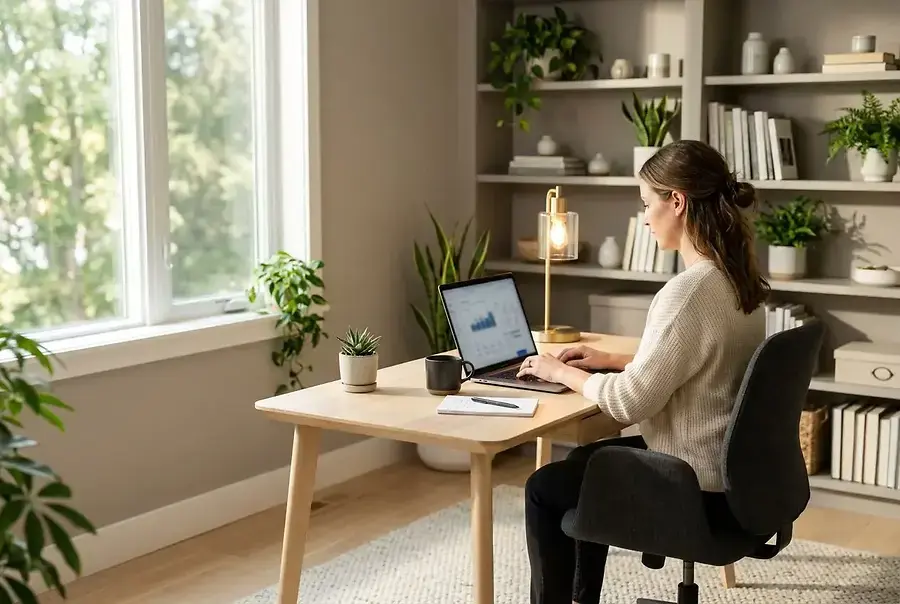
Introduction: The Growing Importance of Home Office Design for Homeowners
The modern work landscape has fundamentally shifted, with remote work becoming a permanent fixture for millions of professionals worldwide. As homeowners embrace this new reality, the importance of a well-designed home office has never been more critical. A thoughtfully planned workspace isn't just about comfort—it's an investment in your productivity, mental health, and even your property's market value.
Whether you're a freelancer, entrepreneur, or corporate employee working remotely, your home office serves as the foundation for professional success. Beyond the practical benefits, a dedicated workspace creates a psychological boundary between work and leisure, helping you maintain focus and work-life balance. Additionally, potential homebuyers increasingly view a quality home office as a valuable feature, making it a smart investment for your property's future resale value.
Selecting the Ideal Room and Creating an Efficient Layout
Choosing the Right Space
The first step in creating a productive home office is selecting the ideal room. Consider these key factors when evaluating potential spaces:
- Natural light: Choose a room with windows to maximize daylight exposure, which boosts mood and reduces eye strain
- Noise levels: Select a quiet area away from high-traffic zones, kitchens, or entertainment spaces
- Size and layout: Ensure the room is large enough to accommodate your desk, storage, and movement without feeling cramped
- Temperature control: Pick a room with adequate ventilation and climate control capabilities
- Privacy: Prioritize a space where you can close the door to minimize distractions and maintain confidentiality during video calls
Optimizing Your Layout
Once you've selected your space, strategic layout planning is essential. Position your desk to face the door or a window—this arrangement promotes focus and creates a sense of control over your environment. Avoid placing your desk with your back to the door, as this can create psychological discomfort during work hours.
Create distinct zones within your office: a primary work area for your desk and computer, a secondary zone for meetings or phone calls, and a storage area for files and supplies. This segmentation helps organize your workflow and makes the space feel more professional. Leave adequate walking space and ensure your layout allows for proper cable management to maintain a clean, clutter-free appearance.
Essential Features: Lighting, Ergonomic Furniture, and Technology Integration
Lighting: The Foundation of Productivity
Proper lighting is crucial for reducing eye strain, maintaining alertness, and creating an inviting workspace. Combine multiple light sources for optimal results:
- Natural light: Position your desk near windows to leverage daylight, but use blinds or curtains to control glare on screens
- Task lighting: Install a desk lamp with adjustable brightness to illuminate your work surface without creating shadows
- Ambient lighting: Use overhead lights or wall sconces to provide general illumination throughout the room
- Blue light filters: Consider LED bulbs with warm color temperatures (2700K-3000K) to reduce eye fatigue during extended screen time
Ergonomic Furniture: Invest in Your Health
Your furniture choices directly impact your physical health and work performance. Ergonomic design isn't a luxury—it's a necessity for anyone spending extended hours at a desk.
Key furniture investments include:
- Ergonomic chair: Select a chair with adjustable height, lumbar support, and armrests to prevent back pain and promote proper posture
- Adjustable desk: Consider a sit-stand desk that allows you to alternate between sitting and standing throughout the day
- Monitor stand: Position your screen at eye level to reduce neck strain and improve viewing angles
- Keyboard and mouse: Use ergonomic peripherals designed to minimize wrist strain and repetitive stress injuries
- Footrest: Add a footrest to support proper leg positioning and reduce pressure on your lower back
Technology Integration: Seamless Connectivity
A well-equipped home office requires reliable technology infrastructure. Ensure your space includes:
- High-speed internet: Invest in a robust WiFi connection or wired ethernet for stable video conferencing and file transfers
- Quality audio and video: Use a professional webcam and microphone for clear communication during virtual meetings
- Power management: Install multiple outlets and surge protectors to safely accommodate all your devices
- Cable organization: Use cable management systems to keep cords organized and out of sight
- Backup systems: Implement cloud storage and backup solutions to protect your important work files
Additional Comfort Elements
Don't overlook the smaller details that enhance comfort and productivity. Add plants to improve air quality and create a calming atmosphere. Incorporate personal touches like artwork or motivational quotes to make the space feel welcoming. Use a desk organizer to keep supplies within reach, and consider a white noise machine if external sounds are distracting.
Conclusion: How a Well-Designed Home Office Enhances Property Value and Lifestyle
Designing a productive home office is an investment that pays dividends in multiple ways. A thoughtfully planned workspace boosts your daily productivity, supports your professional success, and improves your overall well-being. By carefully selecting your room, optimizing your layout, and incorporating essential features like proper lighting, ergonomic furniture, and reliable technology, you create an environment where you can do your best work.
Beyond the immediate benefits to your work life, a quality home office significantly enhances your property's appeal to future buyers. In today's market, remote work capabilities are a major selling point, and a professionally designed office space can increase your home's value and marketability.
Whether you're just starting your work-from-home journey or looking to upgrade your existing setup, remember that the best home office is one tailored to your specific needs and work style. Take time to evaluate your space, invest in quality furniture and lighting, and create an environment that supports both your professional goals and personal well-being. Your future self—and your home's resale value—will thank you.