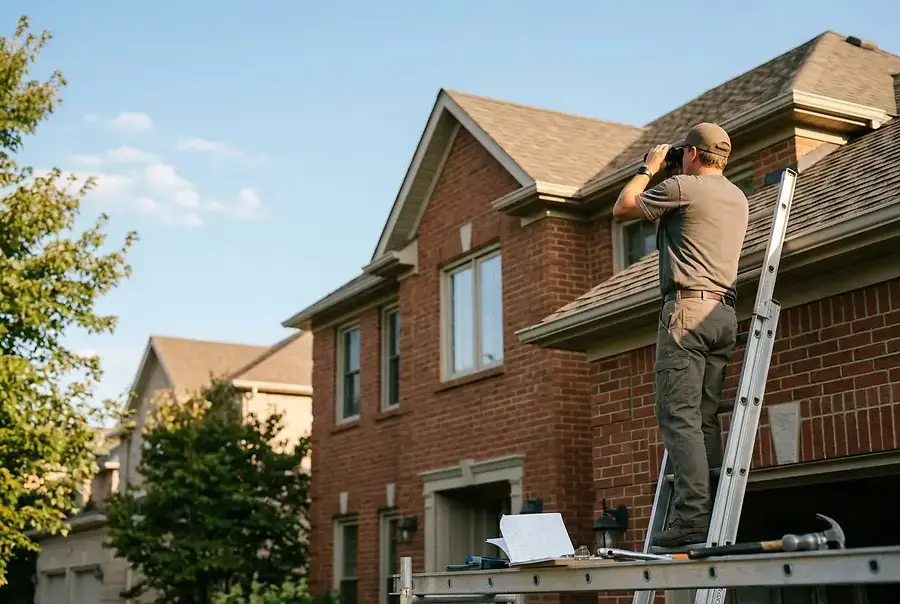
Why Residential Maintenance Matters for Long-Term Value
Your home is likely the largest investment you'll ever make, yet many homeowners neglect the regular maintenance required to protect it. Preventive maintenance is the key to preserving your property's value and avoiding expensive emergency repairs. When you stay on top of maintenance tasks, you extend the lifespan of your home's systems and components, ensuring they function efficiently for years to come.
Neglecting maintenance can lead to a cascade of problems. A small roof leak can develop into structural damage. A clogged gutter can cause foundation issues. These seemingly minor oversights can transform into five-figure repair bills. By investing time and resources into regular maintenance, you're actually saving money in the long run while keeping your home safe and comfortable for your family.
Seasonal Maintenance Checklist: What to Inspect and When
Spring Maintenance
As temperatures warm and nature awakens, spring is the perfect time to assess winter damage and prepare your home for the active season ahead.
- Roof and Gutters: Inspect for winter damage, debris, and ensure proper water drainage
- Foundation and Exterior: Check for cracks, water damage, and signs of settling
- HVAC System: Have your air conditioning unit serviced before peak season
- Landscaping: Trim branches near the roof and inspect outdoor structures
- Windows and Doors: Check seals and weatherstripping for gaps
Summer Maintenance
Summer is ideal for outdoor projects and addressing any issues discovered during spring inspections.
- Exterior Painting: Paint exposed wood and check siding for damage
- Deck and Patio: Inspect for rot, loose boards, and safety hazards
- Plumbing: Check for leaks and test outdoor faucets
- Pest Control: Address any signs of termites or other infestations
- Cooling System: Monitor air conditioning performance and change filters regularly
Fall Maintenance
Autumn requires preparation for the colder months ahead and addressing issues before winter arrives.
- Heating System: Have your furnace or heating system professionally inspected and serviced
- Gutters and Downspouts: Clear leaves and debris to prevent water damage
- Chimney: Have it inspected and cleaned if you use it regularly
- Weatherization: Seal gaps, caulk windows, and add weatherstripping
- Roof Inspection: Check for loose shingles or damaged areas
Winter Maintenance
Winter maintenance focuses on protecting your home from cold weather damage and ensuring safety.
- Pipes and Insulation: Insulate exposed pipes to prevent freezing
- Snow and Ice: Remove snow from roof and clear ice dams promptly
- Interior Inspection: Check for water leaks, mold, and moisture issues
- Heating System: Monitor performance and replace filters as needed
- Safety Equipment: Test smoke and carbon monoxide detectors
Common Costly Repairs and How to Prevent Them
Roof Damage
Roof repairs can cost thousands of dollars. Prevent this by inspecting your roof twice yearly, keeping gutters clean, and addressing leaks immediately. Replace damaged shingles promptly and ensure proper ventilation in your attic.
Foundation Problems
Foundation issues are among the most expensive repairs homeowners face. Maintain proper drainage around your home by ensuring gutters direct water away from the foundation. Monitor for cracks and address water intrusion immediately. Keep soil properly graded away from your home's base.
Plumbing Failures
Burst pipes and major leaks can cause extensive water damage. Prevent plumbing disasters by having your system inspected regularly, insulating pipes in cold areas, and addressing small leaks before they become major problems. Know where your main water shut-off valve is located.
HVAC System Breakdown
Replacing an entire heating or cooling system can exceed $10,000. Regular maintenance—including filter changes, professional inspections, and timely repairs—extends system life and prevents emergency replacements during extreme weather.
Electrical Issues
Faulty wiring and electrical problems pose safety risks and can be expensive to repair. Have a licensed electrician inspect your home's electrical system periodically. Address flickering lights, tripped breakers, and outlets that don't work properly immediately.
Water Damage and Mold
Water damage remediation and mold removal are costly and can affect your family's health. Prevent these issues by maintaining proper drainage, fixing leaks quickly, ensuring adequate ventilation, and monitoring humidity levels in your home.
Building a Sustainable Maintenance Plan for Your Home
Creating a comprehensive maintenance plan doesn't require complicated systems. Start by documenting your home's major systems and components, noting their age and expected lifespan. This information helps you anticipate future needs and budget accordingly.
Create a Maintenance Schedule
Use the seasonal checklists above to create a personalized maintenance calendar. Set reminders for regular tasks and professional inspections. Many homeowners find it helpful to maintain a home maintenance log, recording completed tasks, repairs, and contractor information.
Budget for Maintenance
Financial experts recommend setting aside 1-2% of your home's value annually for maintenance and repairs. This creates a financial cushion for unexpected issues and ensures you can address problems promptly rather than delaying due to cost concerns.
Know When to Call Professionals
While some maintenance tasks are DIY-friendly, others require professional expertise. Never compromise on safety or quality. Hire licensed contractors for electrical work, plumbing, HVAC service, and structural repairs. The investment in professional work often prevents more costly problems down the road.
Keep Records
Maintain documentation of all maintenance work, repairs, and improvements. These records prove valuable when selling your home and help you track what's been done and when. They also help you identify patterns in repairs and anticipate future needs.
Your home's longevity and value depend on consistent, thoughtful maintenance. By following a seasonal maintenance schedule, addressing problems promptly, and investing in professional inspections, you protect your investment and ensure your home remains a safe, comfortable sanctuary for your family. Start today by reviewing your home's current condition and creating a maintenance plan tailored to your specific needs.