Why Home Inspections Matter in Northern Virginia
Purchasing a home is one of the most significant financial decisions you'll make in your lifetime. In Northern Virginia's competitive real estate market, a professional home inspection is your safeguard against costly surprises. Whether you're buying a historic property in Alexandria or a newer development in Loudoun County, understanding what inspectors look for can help you make informed decisions and negotiate effectively.
A comprehensive home inspection provides an objective assessment of a property's condition, identifying potential issues before you commit to the purchase. This knowledge empowers you to negotiate repairs, request credits, or walk away if problems are too extensive. In Northern Virginia, where properties range from colonial-era homes to modern construction, inspections are particularly valuable in uncovering region-specific concerns.
Key Areas Inspectors Evaluate in Older and Newer Homes
Structural Components
Inspectors begin by examining the foundation, which is critical in Northern Virginia where soil composition and moisture levels vary significantly. They look for cracks, settling, and water intrusion—common issues in both older brick foundations and newer poured concrete bases. The roof structure, framing, and load-bearing walls are also thoroughly evaluated to ensure the home's integrity.
Electrical Systems
Electrical safety is paramount. Inspectors check the panel, wiring, outlets, and grounding systems. In older Northern Virginia homes, outdated knob-and-tube wiring or insufficient amperage can be red flags. Newer homes are assessed for proper installation and code compliance, including GFCI outlets in bathrooms and kitchens.
Plumbing and Water Systems
Water quality and delivery systems are examined thoroughly. Inspectors test water pressure, check for leaks, and assess pipe materials. In Northern Virginia, galvanized pipes in older homes may be corroded, and some properties may have well water requiring additional testing. Sewer line integrity is also evaluated, as tree root intrusion is common in the region.
HVAC Systems
Heating, ventilation, and air conditioning systems are tested for proper operation and efficiency. Inspectors verify that systems are appropriately sized for the home and check ductwork for leaks or blockages. In Northern Virginia's variable climate, a well-functioning HVAC system is essential.
Insulation and Ventilation
Proper insulation and ventilation affect energy efficiency and prevent moisture problems. Inspectors assess attic insulation levels, crawl space conditions, and ventilation adequacy. This is particularly important in Northern Virginia, where heating and cooling costs can be substantial.
Interior and Exterior Elements
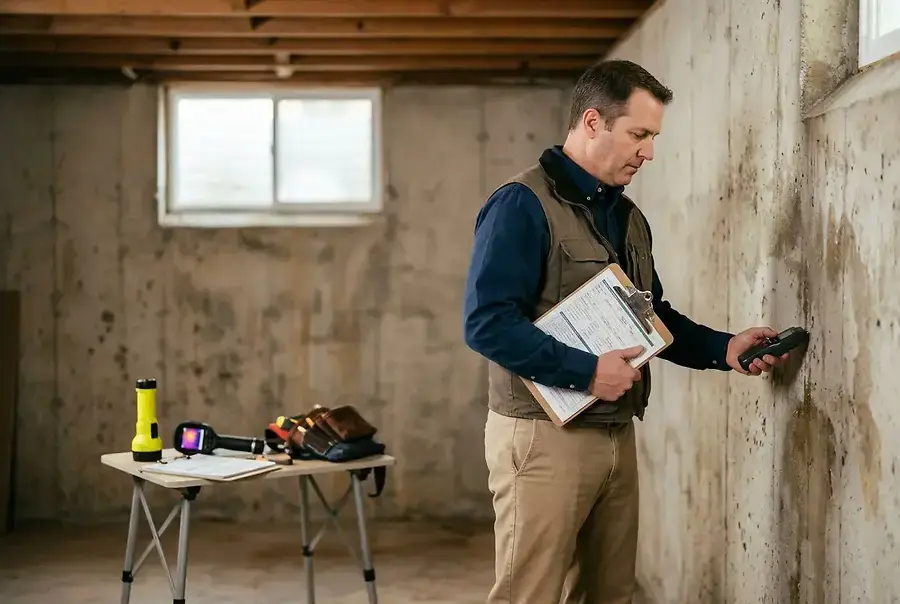
Inspectors examine windows, doors, siding, gutters, and drainage systems. They look for water damage, pest infestation, and structural deterioration. Decks and porches are checked for safety and stability. Basement or crawl space conditions are evaluated for moisture, mold, and structural issues.
Common Issues Found in Northern Virginia Properties and What They Mean
Water Intrusion and Moisture Problems
Northern Virginia's humid climate and significant rainfall make water intrusion a prevalent concern. Basement moisture, foundation cracks allowing water seepage, and improper grading around the foundation are frequently identified. What it means: Water damage can lead to mold growth, structural deterioration, and costly remediation. Budget for proper drainage solutions and waterproofing.
Outdated Electrical Systems
Many older Northern Virginia homes have electrical systems that don't meet modern demands. Insufficient panel capacity, outdated wiring, and missing ground fault protection are common findings. What it means: You may need to upgrade the electrical system to safely accommodate modern appliances and technology, representing a significant investment.
Roof Age and Condition
Northern Virginia's weather—including heavy snow, ice, and thunderstorms—takes a toll on roofing. Inspectors often find missing shingles, deteriorated flashing, and shortened roof lifespan. What it means: Roof replacement can be expensive. Understanding the roof's remaining lifespan helps you plan for future maintenance or negotiate repair costs.
HVAC System Age
Older heating and cooling systems are frequently found in Northern Virginia properties. Systems over 15 years old may be inefficient and prone to failure. What it means: Budget for potential replacement, which can cost $5,000 to $10,000 or more. Newer systems offer better energy efficiency and reliability.
Pest Damage and Infestation
Termites, carpenter ants, and other pests are common in Northern Virginia. Inspectors look for evidence of current or past infestations and structural damage. What it means: Pest damage can compromise structural integrity. Professional pest control and potential structural repairs may be necessary.
Plumbing Issues
Corroded galvanized pipes, outdated plumbing materials, and sewer line problems are frequently discovered. Some properties may have polybutylene pipes, which are prone to failure. What it means: Plumbing upgrades or repairs can be costly. Understanding the extent of issues helps you make informed decisions about the property's value.
Mold and Indoor Air Quality
Due to Northern Virginia's humidity, mold growth is a concern in many properties. Inspectors assess moisture levels and look for visible mold. What it means: Mold remediation and addressing underlying moisture issues are essential for health and property integrity. Professional mold assessment may be recommended.
Using Inspection Reports to Make Confident Offers
Once you receive the inspection report, take time to understand the findings. Inspectors typically categorize issues by severity—from minor cosmetic concerns to major structural problems. Prioritize major issues that affect safety, structural integrity, or significant systems like electrical, plumbing, and HVAC.
Use the report as a negotiation tool. Request that the seller address major issues, offer credits for repairs you'll handle yourself, or adjust your offer price accordingly. In Northern Virginia's market, sellers often expect negotiations based on inspection findings, particularly for older properties.
Don't overlook minor issues either. Small problems can compound over time, and addressing them early prevents costly future repairs. Consider getting specialized inspections for concerns identified in the general inspection—such as mold testing, radon testing, or structural engineering assessments.
Finally, keep the inspection report for future reference. It documents the property's condition at the time of purchase and serves as a baseline for future maintenance and insurance purposes.
Conclusion: Making Your Northern Virginia Home Purchase with Confidence
A professional home inspection is an investment in your peace of mind and financial security. By understanding what inspectors evaluate and what common issues mean for your specific property, you're equipped to make confident decisions in Northern Virginia's dynamic real estate market. Whether you're purchasing a charming historic home or a contemporary new build, a thorough inspection ensures you know exactly what you're buying and can plan accordingly for your new investment.