Understanding Market Comparables in Your Local Area
One of the most reliable methods for determining your home's value is analyzing comparable sales, often called "comps." This approach involves examining recently sold properties in your neighborhood that share similar characteristics with your home, such as square footage, age, condition, and lot size.
In Southwest Washington, the real estate market has unique characteristics that make local comparables particularly valuable. Focus on properties that sold within the last three to six months in your specific neighborhood or subdivision. Properties sold too long ago may not reflect current market conditions, while those still on the market haven't proven their actual value.
How to Find and Analyze Comparables
Start by visiting local real estate websites, county assessor records, and MLS databases. Look for homes that are:
- Located within a one-mile radius of your property
- Similar in size and layout
- Built in the same era or style
- In comparable condition
- Sold recently at market rate
Once you've identified three to five strong comparables, adjust their sale prices based on differences. If a comparable sold for $450,000 but has an extra bedroom your home lacks, subtract an estimated value for that feature. This systematic approach helps you arrive at a realistic valuation range.
Key Factors That Impact Property Values in Southwest Washington
Southwest Washington properties are influenced by several distinctive market factors that differ from other regions. Understanding these elements is crucial for accurate home valuation.
Location and Proximity to Urban Centers
Properties closer to Portland, Vancouver, and other urban employment centers typically command higher values. Commute time and accessibility to major highways significantly affect desirability and pricing. Homes within 30 minutes of major job centers often appreciate faster than those in more remote areas.
School Districts and Community Amenities
Quality school districts remain one of the strongest value drivers in Southwest Washington. Families are willing to pay premiums for homes in highly-rated school zones. Additionally, proximity to parks, trails, shopping centers, and recreational facilities adds measurable value to properties.
Natural Features and Environmental Factors
The region's natural beauty is a significant asset. Homes with views of mountains, rivers, or forests often command 10-20% premiums over comparable properties without these features. Conversely, properties in flood zones or with environmental concerns may see reduced valuations.
Market Trends and Economic Conditions
Southwest Washington has experienced steady growth in recent years. Understanding whether your local market is appreciating, stable, or declining helps contextualize your home's value. Local employment growth, new development projects, and infrastructure improvements all influence property values.
Professional Appraisal vs. Online Valuation Tools
While online tools offer convenience, they have significant limitations compared to professional appraisals. Understanding the differences helps you choose the right valuation method for your needs.
The Value of Professional Appraisals
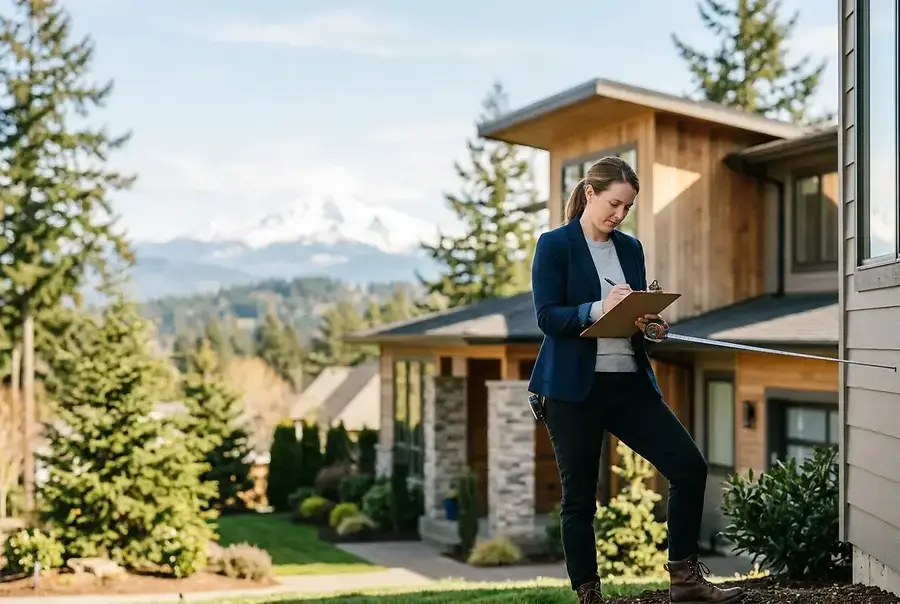
A licensed appraiser conducts an in-person inspection of your property, examining structural integrity, systems, finishes, and overall condition. They consider local market data, comparable sales, and unique property characteristics that algorithms cannot fully capture.
Professional appraisals are essential for:
- Mortgage lending and refinancing
- Estate planning and legal matters
- Insurance coverage determination
- Divorce settlements and property disputes
- Tax assessment appeals
Appraisers bring expertise that accounts for subtle factors—like the quality of renovations, neighborhood trends, and property-specific issues—that automated systems miss.
Online Valuation Tools: Convenience with Caveats
Websites offering instant home valuations use algorithms analyzing public records, recent sales, and property data. These tools provide a quick, free estimate useful for general reference.
However, online valuations often lack accuracy because they:
- Cannot assess interior condition or quality
- May not account for recent renovations
- Miss unique property features or problems
- Use outdated or incomplete data
- Don't consider neighborhood-specific nuances
Use online tools as a starting point, but rely on professional appraisals for important financial decisions.
Preparing Your Home for a Professional Valuation
If you're planning to have your home professionally appraised, preparation can positively influence the assessment. While appraisers evaluate properties objectively, presenting your home in its best condition ensures accurate valuation of your improvements.
Interior Preparation
Clean thoroughly before the appraiser arrives. A well-maintained home creates a positive impression and allows the appraiser to properly assess condition. Ensure all systems are functioning—test lights, plumbing, heating, and cooling. Make minor repairs like fixing leaky faucets or replacing broken fixtures.
Organize documentation for any major improvements or renovations you've completed. Provide receipts, permits, and contractor information for kitchen remodels, roof replacements, HVAC upgrades, or additions. This documentation supports higher valuations for quality improvements.
Exterior and Curb Appeal
First impressions matter. Maintain landscaping, power wash exterior surfaces, and ensure the roof appears sound. Fix obvious issues like broken gutters, damaged siding, or cracked driveways. A well-maintained exterior suggests overall property care.
Documentation and Disclosure
Prepare a list of recent upgrades, maintenance records, and property improvements. Include information about energy-efficient features, security systems, or smart home technology. Disclose any known issues honestly—appraisers will discover problems anyway, and transparency builds credibility.
Provide Access and Information
Ensure the appraiser can easily access all areas of the property, including attic, basement, and crawl spaces. Have utility bills available to demonstrate energy efficiency. If your home has unique features or recent improvements not visible in public records, point these out to the appraiser.
Remember: Professional appraisers are trained to provide objective valuations. Your goal isn't to inflate the value artificially, but to ensure the appraiser has complete information about your property's true condition and improvements.
Timing Your Appraisal
Schedule appraisals during favorable seasons when your property shows best. Spring and early summer typically showcase landscaping and exterior features more favorably than winter months. However, if you're selling or refinancing, timing may be determined by other factors.
By understanding these home valuation strategies and preparing appropriately, Southwest Washington homeowners can confidently assess their property's market value. Whether you're selling, refinancing, or simply curious about your home's worth, these proven methods provide the foundation for accurate, reliable valuations in today's competitive real estate market.