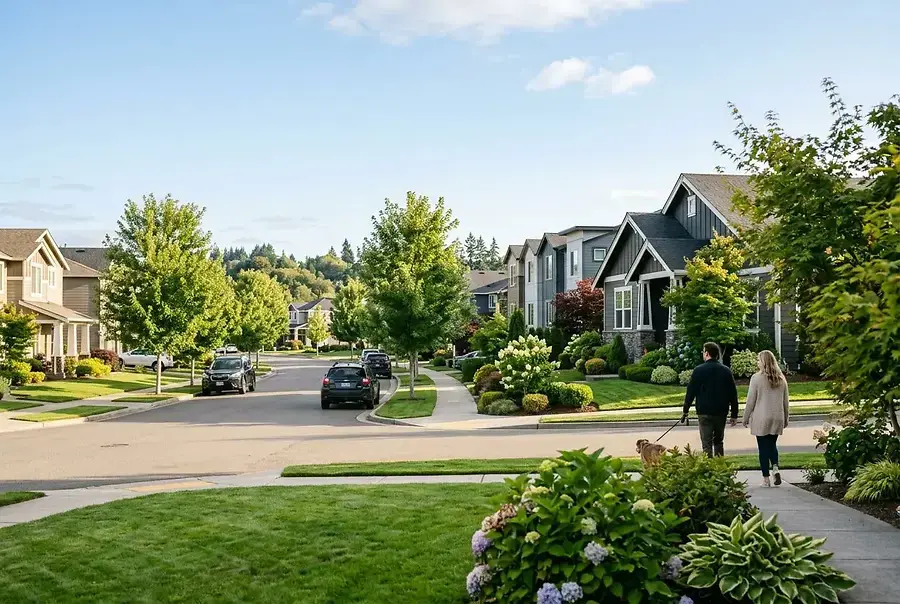
Why Investment Properties Matter in Pierce County's Growing Residential Market
Pierce County has emerged as one of the Pacific Northwest's most dynamic real estate markets, offering savvy investors exceptional opportunities for wealth building through residential properties. The region's strategic location between Seattle and Olympia, combined with steady population growth and economic diversification, creates a compelling case for property investment.
The Tacoma-area residential market has experienced consistent appreciation over recent years, driven by factors including:
- Increasing demand from remote workers seeking affordable alternatives to Seattle
- Strong job growth in healthcare, technology, and manufacturing sectors
- Limited housing inventory relative to population growth
- Improved infrastructure and transportation connectivity
- Rising rental rates across multiple neighborhoods
For investors, this environment presents an ideal window to acquire properties with strong cash flow potential and long-term appreciation prospects. Understanding the nuances of different Pierce County neighborhoods is essential to making informed investment decisions.
Evaluating Rental Demand and Tenant Demographics Across 12 Key Communities
Understanding Market Fundamentals
Before committing capital to any investment property, thorough market analysis is critical. Rental demand varies significantly across Pierce County's diverse neighborhoods, and identifying high-demand areas can mean the difference between a thriving investment and a struggling property.
Key Communities to Consider
The following neighborhoods represent some of Pierce County's most attractive investment opportunities:
- Tacoma Downtown/Proctor District: Urban professionals and young families seeking walkable neighborhoods with amenities
- Ruston: Waterfront appeal attracting higher-income renters and families
- Lakewood: Suburban families and military-connected renters near Joint Base Lewis-McChord
- Puyallup: Growing community with strong school systems and family-oriented demographics
- Spanaway: Affordable options attracting first-time renters and budget-conscious families
- Snoqualmie: Scenic mountain community with tourism-related rental opportunities
- Bonney Lake: Family-focused market with steady population growth
- Enumclaw: Rural charm attracting retirees and remote workers
- Orting: Emerging market with development potential
- Eatonville: Gateway community with outdoor recreation appeal
- Sumner-Fife: Industrial area with working-class rental demand
- Gig Harbor: Upscale waterfront community with premium rental rates
Analyzing Tenant Demographics
Each neighborhood attracts different tenant profiles. Understanding who wants to live in your target area directly impacts your ability to maintain occupancy and command competitive rental rates.
Consider these demographic factors:
- Age distribution and family composition
- Employment sectors and income levels
- Educational attainment and professional status
- Proximity to major employers and transportation hubs
- School quality and family amenities
- Lifestyle preferences and community character
Properties near Joint Base Lewis-McChord, for example, attract military families with stable, predictable income. Downtown Tacoma properties appeal to young professionals, while Gig Harbor attracts affluent retirees and executives willing to pay premium rents for waterfront living.
Calculating Cash Flow, Cap Rates, and Long-Term Appreciation Potential
Mastering Cash Flow Analysis
Cash flow is the lifeblood of real estate investing. Positive monthly cash flow—the difference between rental income and all expenses—determines whether your investment generates immediate returns or requires ongoing capital contributions.
To calculate monthly cash flow, use this formula:
Monthly Cash Flow = Gross Rental Income - (Mortgage Payment + Property Taxes + Insurance + Maintenance + Vacancy Rate + Property Management)
Pierce County's diverse price points allow investors to find properties with varying cash flow profiles. Lower-priced properties in Spanaway or Sumner-Fife may generate stronger immediate cash flow, while premium properties in Gig Harbor or Ruston offer appreciation potential with lower cash-on-cash returns.
Understanding Cap Rates
The capitalization rate (cap rate) measures the annual return on your cash investment. A higher cap rate indicates stronger income relative to purchase price, though it may signal higher risk or lower appreciation potential.
Calculate cap rate using this formula:
Cap Rate = Net Operating Income / Property Purchase Price
In Pierce County, cap rates typically range from 4% to 7% depending on neighborhood, property condition, and market dynamics. Properties in emerging neighborhoods like Orting may offer higher cap rates, while established communities command lower rates due to appreciation expectations.
Long-Term Appreciation Potential
While cash flow provides immediate returns, appreciation builds long-term wealth. Pierce County's strong fundamentals support steady property value growth. Factors driving appreciation include population growth, limited inventory, infrastructure improvements, and economic development.
Strategic investors often prioritize:
- Properties in path-of-progress neighborhoods experiencing revitalization
- Areas with planned infrastructure improvements or transit expansion
- Communities with strong job growth and employer expansion
- Neighborhoods with limited new construction, supporting price appreciation
A balanced investment strategy combines immediate cash flow with long-term appreciation potential. Properties generating 5-6% cap rates in growing neighborhoods like Puyallup or Bonney Lake offer both current income and future wealth building.
Building Your Investment Portfolio in the Tacoma Region
Success in Pierce County real estate investment requires a systematic approach combining market knowledge, financial analysis, and strategic planning. Start by clearly defining your investment goals: Are you seeking immediate cash flow, long-term appreciation, or a balanced combination?
Next, conduct thorough due diligence on target neighborhoods. Visit properties at different times, speak with current residents and property managers, and analyze recent sales data. Understand local rental rates, vacancy trends, and tenant quality in your target areas.
Finally, work with experienced local professionals—real estate agents, property managers, and accountants familiar with Pierce County markets—to identify opportunities aligned with your investment criteria and risk tolerance.
Pierce County's residential market offers compelling opportunities for investors willing to do their homework. By understanding rental demand, analyzing cash flow metrics, and identifying neighborhoods with strong fundamentals, you can build a profitable investment portfolio in one of the Pacific Northwest's most dynamic regions.
