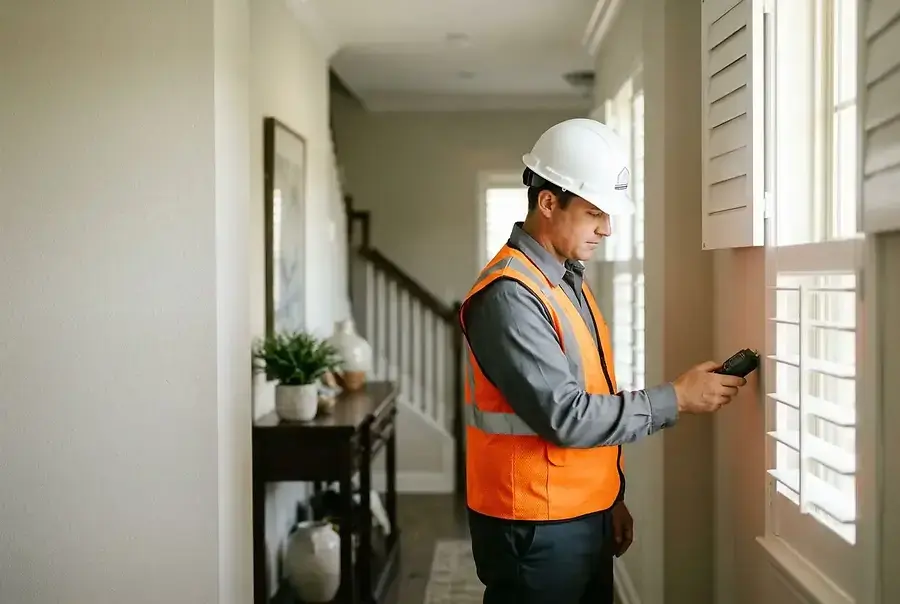
What's Included in a Professional Home Inspection
A professional home inspection is one of the most important steps in the home buying process. When you're purchasing a property in Hernando, a thorough inspection provides you with detailed information about the condition of the home before you commit to the purchase.
During a standard home inspection, certified inspectors examine:
- Structural components - Foundation, walls, roof, and framing
- Roofing systems - Shingles, flashing, gutters, and drainage
- Exterior elements - Siding, windows, doors, and landscaping grading
- Plumbing systems - Pipes, fixtures, water pressure, and drainage
- Electrical systems - Panels, wiring, outlets, and safety features
- HVAC systems - Heating, cooling, ventilation, and air quality
- Interior features - Walls, ceilings, floors, and built-in appliances
- Basement and crawl spaces - Moisture, structural integrity, and ventilation
The inspection typically takes 2-4 hours depending on the home's size and complexity. Inspectors use specialized tools and equipment to assess each system's functionality and identify potential issues. You should always attend the inspection to ask questions and gain firsthand knowledge about your potential investment.
Common Issues Found in Hernando Homes and What They Mean
Hernando properties, like homes in many regions, have specific vulnerabilities based on climate, age, and construction practices. Understanding common issues helps you evaluate inspection reports more effectively.
Roof and Water Damage
One of the most frequently identified issues in Hernando homes involves roof deterioration and water intrusion. Missing or damaged shingles, compromised flashing, and inadequate drainage can lead to costly water damage inside the home. If your inspection reveals roof issues, factor in replacement costs—a new roof can range significantly depending on materials and square footage.
Foundation and Structural Concerns
Foundation cracks and settling are common in older Hernando properties. While minor hairline cracks are typically cosmetic, larger cracks or signs of uneven settling warrant professional structural evaluation. These issues can affect the home's integrity and resale value.
HVAC System Age and Efficiency
Many Hernando homes have aging heating and cooling systems. Systems over 15 years old may be less efficient and prone to breakdowns. Replacement costs can be substantial, so this is an important negotiation point during the purchase process.
Plumbing and Water Quality
Older homes in Hernando may have outdated plumbing materials like galvanized pipes or polybutylene. These materials can corrode over time, affecting water quality and system reliability. Inspectors will note the plumbing material type and any visible issues.
Electrical System Updates
Outdated electrical panels and insufficient outlets are common in older properties. Homes with aluminum wiring or inadequate grounding may require upgrades to meet current safety standards. This is both a safety and investment consideration.
Using Inspection Reports to Negotiate Purchase Price and Repairs
The inspection report is your most powerful negotiating tool. Once you receive the detailed findings, you have several strategic options.
Request Seller Repairs
You can ask the seller to repair identified issues before closing. This approach works best for significant problems that require professional attention. Provide the seller with specific repair estimates from licensed contractors to support your requests.
Negotiate a Price Reduction
Alternatively, request a credit toward the purchase price to cover repairs yourself. This gives you control over the work quality and contractor selection. Calculate repair costs carefully and add 10-15% for contingencies when determining your requested reduction.
Request Escrow Holdback
For minor issues, you might negotiate an escrow holdback—funds held at closing to cover repairs after purchase. This protects both parties and ensures work gets completed.
Strategic Negotiation Tips
- Prioritize major systems (roof, HVAC, plumbing, electrical) in negotiations
- Obtain multiple repair estimates to support your requests
- Be reasonable—sellers may walk away from unreasonable demands
- Focus on safety issues and structural concerns first
- Consider the local market—in competitive markets, sellers may be less flexible
- Document everything in writing through your real estate agent
Remember: The inspection report gives you leverage, but how you use it determines your success. Professional, documented requests are more effective than emotional arguments.
Next Steps: From Inspection Results to Closing Day
After you've negotiated based on inspection findings, several important steps remain before closing.
Follow-Up Inspections
If the seller agrees to repairs, schedule a follow-up inspection to verify work was completed properly. Never close on a home without confirming that agreed-upon repairs were actually performed.
Final Walk-Through
Conduct a final walk-through 24 hours before closing to ensure the property is in the agreed-upon condition. Verify that repairs were completed and no new damage has occurred.
Review Closing Documents
Carefully review all closing documents to ensure inspection-related agreements are properly documented. Your real estate attorney should verify that all negotiated terms are reflected in the final paperwork.
Plan Your Next Steps
Use the inspection report to plan future maintenance and improvements. Create a prioritized list of repairs and upgrades based on urgency and budget. This helps you maintain your investment and avoid costly surprises.
By mastering the home inspection process and using reports strategically, you'll make more informed decisions about Hernando properties and negotiate deals that protect your investment. The inspection is not just a formality—it's your opportunity to ensure you're making a sound financial decision.