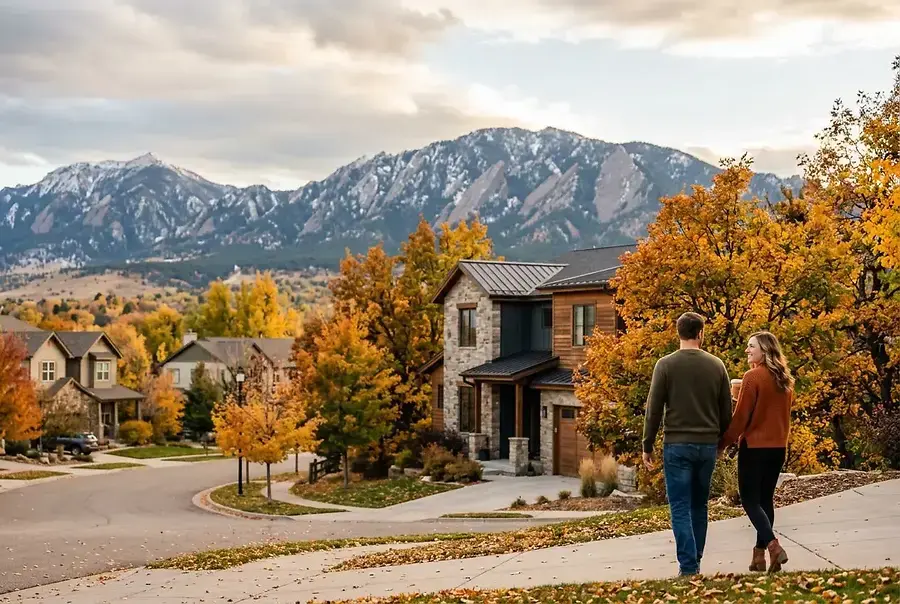
Introduction: Understanding Colorado's Regional Market Dynamics
Colorado's real estate market is far from monolithic. From the bustling urban corridors of Denver and Boulder to the emerging markets of Pueblo and the mountain communities of Aspen and Vail, each region experiences distinct seasonal patterns that can significantly impact your investment strategy. Understanding these regional nuances is crucial for both buyers and sellers looking to maximize their returns.
The Colorado housing market has become increasingly sophisticated, with investors and homebuyers recognizing that timing is everything. While national trends provide a baseline, Colorado's unique geography, population growth patterns, and local economic factors create opportunities that savvy investors can leverage throughout the year.
Spring and Summer Peaks: When Colorado Residential Markets Heat Up
The Traditional Buying Season
Spring and summer represent the most active periods in Colorado's residential real estate market. As temperatures rise and families plan relocations around school calendars, demand for homes surges across the state. This seasonal uptick is particularly pronounced in:
- Denver Metro Area: The largest market sees inventory levels peak as sellers capitalize on favorable weather and buyer activity
- Boulder and Front Range Communities: Tech industry professionals and young families flood these markets, driving competition
- Mountain Resort Towns: Summer vacation season brings both tourists and potential buyers exploring second-home opportunities
Challenges During Peak Season
While spring and summer offer maximum exposure for sellers, buyers face increased competition and higher prices. Multiple offers become commonplace, and negotiating power shifts decisively to sellers. Properties in desirable neighborhoods may receive offers within days of listing, often above asking price.
For sellers, this is undoubtedly the optimal time to list. Your property will receive maximum visibility, and you can expect strong buyer interest. However, buyers should be prepared for:
- Limited inventory selection
- Higher asking prices
- Competitive bidding situations
- Less flexibility in negotiations
Regional Variations in Summer Markets
Denver's summer market differs significantly from Pueblo's. Denver experiences intense competition with multiple offers standard, while Pueblo's market remains more balanced. This presents an interesting opportunity: sellers in emerging markets like Pueblo may achieve better returns by listing during summer months when regional interest peaks, while facing less competition than Denver sellers.
Fall and Winter Opportunities: Less Competition, Better Negotiating Power
The Buyer's Advantage
As autumn arrives and winter approaches, the market dynamics shift dramatically. Fewer homes come on the market, but more importantly, fewer buyers are actively searching. This creates a unique advantage for serious buyers willing to shop during these months.
Fall and winter buyers often discover:
- Motivated sellers who need to close before year-end
- Significantly reduced competition from other buyers
- Greater negotiating power on price and terms
- Sellers more willing to make concessions on repairs or closing costs
Strategic Advantages by Region
Colorado's diverse geography creates distinct fall and winter opportunities. In mountain communities like Aspen and Vail, winter brings ski season tourism but also inventory challenges. Conversely, Denver and surrounding metro areas experience a more gradual slowdown, creating extended negotiating windows.
Pueblo and other secondary markets see particularly interesting dynamics during fall and winter. With less seasonal tourism and fewer competing buyers, investors can negotiate aggressively while still accessing quality properties.
The Year-End Closing Advantage
Many sellers face pressure to close transactions before year-end for tax and financial planning purposes. Buyers who begin their search in October or November can leverage this motivation. Sellers may accept lower offers or cover more closing costs simply to achieve a December closing date.
"The best deals aren't always found during peak season. Savvy investors know that patience and strategic timing can yield significantly better returns than rushing to buy or sell when everyone else is."
Winter Market Realities
Winter does present legitimate challenges. Fewer showings occur, and properties may be harder to market. However, this reduced activity means serious buyers and sellers remain in the market—those with genuine motivation rather than casual interest. This can lead to more straightforward negotiations and faster closings.
Conclusion: Strategic Timing for Colorado Homebuyers and Sellers
Maximizing your investment in Colorado real estate requires understanding how seasonal trends vary across the state's diverse markets. There is no one-size-fits-all approach, but rather strategic opportunities throughout the year:
For Sellers: Spring and summer offer maximum exposure and buyer activity. List during these months if your goal is rapid sale and maximum offers. However, consider fall and winter if you're in a secondary market where you can still attract motivated buyers with less competition from other listings.
For Buyers: Fall and winter provide superior negotiating positions and access to motivated sellers. If you can be flexible with timing, shopping during these months often yields better prices and terms. In emerging markets like Pueblo, winter shopping can reveal exceptional value.
For Investors: Understanding regional variations is critical. Denver's market may peak in summer, but Pueblo's opportunities may extend longer into fall. Diversifying across Colorado's regions and timing purchases strategically can significantly enhance portfolio returns.
The Colorado real estate market rewards those who understand its seasonal rhythms and regional variations. Whether you're a first-time homebuyer, a seller looking to maximize proceeds, or an investor building a portfolio, strategic timing aligned with your specific market and goals can substantially improve your financial outcomes. Start planning your real estate moves with these seasonal trends in mind, and position yourself to make the most advantageous decisions for your unique situation.