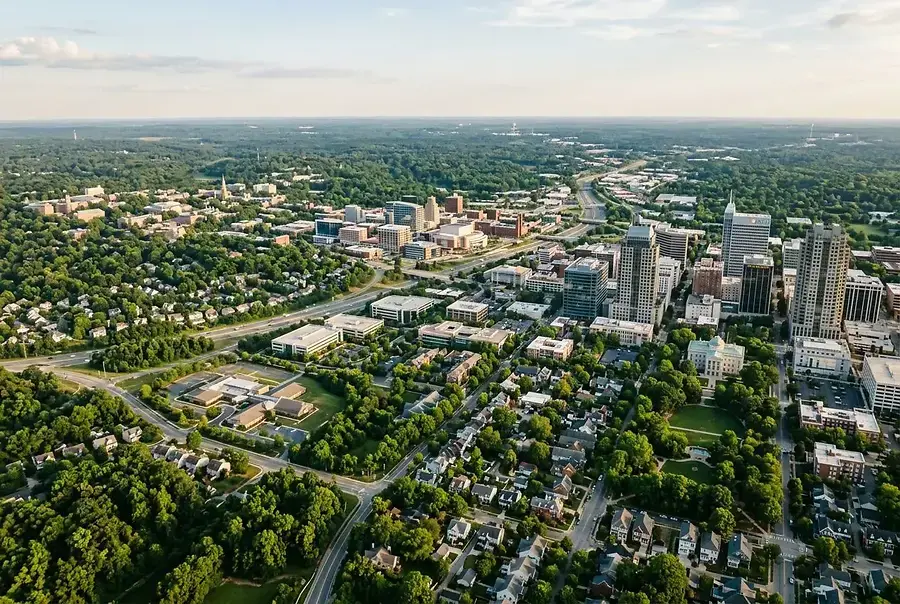
Understanding the Triangle's Diverse Residential Landscape
The Research Triangle region—comprising Raleigh, Durham, Chapel Hill, and surrounding communities—has emerged as one of the most dynamic real estate markets in the Southeast. With a booming tech industry, world-class universities, and a vibrant cultural scene, the Triangle attracts homebuyers from across the nation seeking both quality of life and strong investment potential. Whether you're a first-time homebuyer, a growing family, or an experienced investor, understanding the nuances of this diverse market is essential to making an informed decision.
The region's appeal extends beyond its economic opportunities. The Triangle offers a unique blend of urban amenities, suburban comfort, and access to natural spaces. Each community within the region has developed its own distinct character, making it crucial for prospective buyers to understand what each neighborhood offers.
Neighborhood Characteristics: What Sets Each Community Apart
Raleigh: The Capital's Growing Appeal
As North Carolina's capital and the largest city in the Triangle, Raleigh continues to experience rapid growth and development. The city offers diverse neighborhoods catering to different lifestyles and budgets:
- Downtown Raleigh: Perfect for urban professionals seeking walkable neighborhoods with restaurants, galleries, and entertainment venues within steps of their homes.
- North Raleigh: Family-friendly communities with excellent schools, spacious homes, and convenient shopping centers.
- South Raleigh: Emerging neighborhoods with a mix of new construction and established communities, offering good value for growing families.
Raleigh's job market, particularly in technology and healthcare, continues to drive demand for residential properties across all price points.
Durham: The Revitalized Urban Center
Durham has undergone a remarkable transformation, evolving from its industrial past into a vibrant, creative hub. The city attracts young professionals and entrepreneurs with its:
- Walkable Urban Neighborhoods: Areas like Brightleaf Square and the American Tobacco Campus offer loft-style living with authentic character.
- Tech and Innovation Culture: Proximity to Research Triangle Park makes Durham ideal for those working in cutting-edge industries.
- Arts and Culture Scene: A thriving community of artists, musicians, and creators has made Durham increasingly desirable for creative professionals.
Properties in Durham often provide better value than comparable homes in Raleigh, while offering comparable amenities and growth potential.
Chapel Hill: Academic Excellence and Community Spirit
Home to the University of North Carolina, Chapel Hill maintains a unique character shaped by its academic heritage and strong sense of community. The town appeals to those seeking:
- Intellectual Community: A population deeply engaged with education, culture, and civic participation.
- Natural Beauty: Proximity to parks, trails, and green spaces throughout the town.
- Established Neighborhoods: Tree-lined streets with mature homes and strong neighborhood associations.
Chapel Hill's real estate market tends to be more stable, with properties maintaining strong value over time due to consistent demand from university employees and families valuing the town's character.
Surrounding Communities: Hidden Gems
Beyond the three main cities, surrounding areas offer excellent opportunities for homebuyers:
- Cary: A planned community known for excellent schools, parks, and family-friendly amenities.
- Carrboro: A smaller, artsy community adjacent to Chapel Hill with a strong local food and arts scene.
- Morrisville: An emerging area with new development and convenient access to Research Triangle Park.
Market Dynamics: Pricing, Inventory, and Growth Trends Across Locations
Price Trends and Affordability
The Triangle's real estate market reflects the region's economic strength. Median home prices vary significantly by location:
- Chapel Hill commands the highest prices, reflecting its prestige and limited inventory.
- Raleigh offers mid-range pricing with diverse options across neighborhoods.
- Durham provides competitive pricing with strong appreciation potential.
- Surrounding communities often offer the best value for budget-conscious buyers.
Despite price increases over recent years, the Triangle remains more affordable than comparable markets in other major metropolitan areas, making it attractive for those relocating from coastal cities.
Inventory and Market Conditions
The Triangle market has experienced steady demand, with inventory levels varying by neighborhood and price point. Key observations include:
- Lower-priced homes and new construction continue to attract strong buyer interest.
- Inventory in established neighborhoods tends to move quickly, particularly in desirable school districts.
- The market favors sellers in most neighborhoods, though conditions vary seasonally.
Growth Trends and Future Outlook
Several factors support continued growth in the Triangle real estate market:
- Job Growth: Technology companies, healthcare providers, and research institutions continue to expand operations in the region.
- Population Growth: The Triangle is among the fastest-growing metropolitan areas in the nation, driven by migration from other states.
- Infrastructure Development: Ongoing improvements to transportation and utilities support continued residential expansion.
- Quality of Life: The region's combination of economic opportunity, cultural amenities, and natural beauty attracts diverse populations.
These trends suggest that real estate in the Triangle will continue to appreciate, making it an attractive investment for those planning to stay long-term.
Finding Your Ideal Home in the Triangle
Navigating the Triangle's real estate market requires understanding your priorities and how different communities align with your lifestyle and financial goals. Consider these factors when evaluating neighborhoods:
- Commute: Proximity to your workplace or Research Triangle Park.
- Schools: Quality of local schools if you have or plan to have children.
- Lifestyle: Whether you prefer urban walkability, suburban comfort, or access to nature.
- Budget: Your price range and how it aligns with different neighborhoods.
- Community Character: The personality and values of the neighborhood.
The Triangle's diverse neighborhoods ensure that whether you're seeking a vibrant urban loft, a family home in a top-rated school district, or a peaceful retreat near nature, you'll find options that match your vision. Working with a local real estate professional who understands the nuances of each community can help you navigate this dynamic market and find your ideal home in the Triangle.
The Research Triangle region offers something for everyone—from urban professionals to families seeking excellent schools to retirees wanting an active, engaged community. The key is understanding what each neighborhood offers and how it aligns with your unique needs and aspirations.