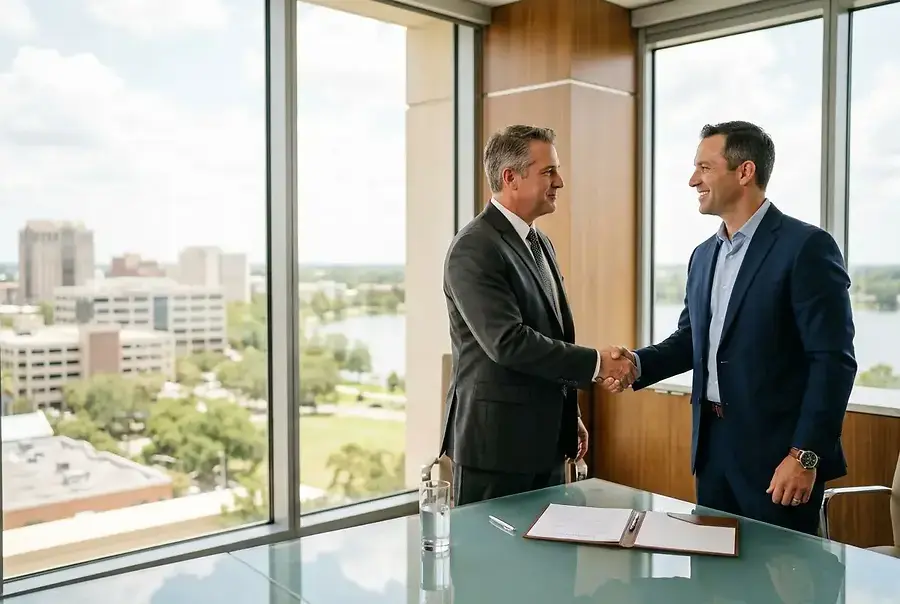
Understanding Lakeland's Commercial Lease Market Dynamics
The commercial real estate market in Lakeland is experiencing steady growth, with businesses of all sizes seeking prime locations for their operations. Before entering into lease negotiations, it's crucial to understand the current market conditions that will directly impact your negotiating power.
Lakeland's commercial market is characterized by moderate vacancy rates and competitive pricing. The demand for retail, office, and industrial spaces continues to grow as the region attracts new businesses and entrepreneurs. This dynamic environment means that both landlords and tenants have leverage, depending on the specific property type and location.
Market Research is Your Foundation
Start by researching comparable properties in your desired area. Look at recent lease agreements, average rental rates per square foot, and the typical lease terms offered in Lakeland. This information gives you a realistic baseline for negotiations and prevents you from accepting unfavorable terms.
- Compare rates across different neighborhoods and property types
- Identify market trends and seasonal fluctuations
- Understand which locations command premium pricing
- Review recent lease transactions in your target area
Essential Negotiation Tactics for Tenant and Landlord Agreements
Successful lease negotiations require preparation, strategy, and clear communication. Whether you're a tenant seeking better rates or a landlord protecting your investment, understanding proven negotiation tactics will strengthen your position.
Build Your Negotiating Position
Know your walk-away point. Before negotiations begin, determine the maximum rent you can afford, the minimum lease term you'll accept, and any non-negotiable requirements. This clarity prevents emotional decision-making and keeps you focused on your business objectives.
Get everything in writing. Verbal agreements have no legal standing. Ensure all discussions, counteroffers, and agreements are documented in writing. This protects both parties and eliminates misunderstandings.
Timing and Leverage
Timing significantly impacts your negotiating power. Properties with high vacancy rates give tenants more leverage to negotiate lower rates. Conversely, landlords have stronger positions when demand is high. Understanding where you stand in the market cycle helps you strategize effectively.
Consider these timing strategies:
- Negotiate during slower market periods when landlords are more flexible
- Approach negotiations early in the lease term to establish favorable baseline conditions
- Use competitive offers from other properties as leverage
- Be prepared to move quickly when you find the right space
Professional Representation Matters
Hiring a commercial real estate broker or attorney familiar with Lakeland's market is a smart investment. These professionals understand local market conditions, standard lease terms, and negotiation strategies. They can often secure better terms than you might achieve alone, potentially saving you thousands of dollars over the lease term.
Common Lease Terms and What to Prioritize in Your Negotiations
Commercial leases contain numerous terms and conditions. Knowing which ones to prioritize ensures you focus your negotiating efforts on the most impactful elements.
Rental Rate and Escalations
The base rental rate is obvious, but don't overlook escalation clauses. Many leases include annual increases tied to inflation or fixed percentage increases. Negotiate for modest escalations or caps on increases to protect your long-term budget.
Pro Tip: A 2-3% annual escalation is standard in Lakeland's market. Anything above 4% should be negotiated downward if possible.
Lease Term Length
Longer lease terms provide stability but reduce flexibility. Shorter terms offer flexibility but may result in higher rates. Consider your business growth plans and market conditions when determining the ideal lease length. A 3-5 year lease is common for most Lakeland businesses.
Tenant Improvement Allowances
Landlords often provide allowances for improvements or buildouts. Negotiate for adequate tenant improvement (TI) allowances to customize the space for your business needs. This can significantly reduce your upfront capital requirements.
Operating Expenses and CAM Charges
Common Area Maintenance (CAM) charges and operating expense pass-throughs can substantially increase your occupancy costs. Negotiate for:
- Caps on annual CAM increases
- Clear definitions of what's included in operating expenses
- Exclusions for major capital improvements
- Right to audit landlord expense records
Renewal Options and Early Termination
Include renewal options at predetermined rates to provide stability and planning certainty. Additionally, negotiate early termination clauses that allow you to exit the lease if your business needs change, though expect to pay a penalty for this flexibility.
Closing the Deal: Finalizing Your Lakeland Commercial Lease
The final stages of lease negotiation require attention to detail and clear communication to ensure both parties understand and agree to all terms.
Review and Finalize Documentation
Once you've agreed on major terms, carefully review all lease documents. Ensure every negotiated point is accurately reflected in the final agreement. Many disputes arise from misunderstandings about what was supposedly agreed upon verbally.
Key documentation steps:
- Have your attorney review the final lease document
- Verify all agreed-upon terms are included
- Clarify any ambiguous language
- Ensure both parties sign and receive copies
Final Negotiations and Concessions
As you approach closing, be prepared for final negotiations. Landlords may request last-minute changes, and you may need to make minor concessions to finalize the deal. Stay focused on your priorities and avoid making significant changes at the last moment.
Understanding Your Obligations
Before signing, fully understand your obligations as a tenant or landlord. Know your maintenance responsibilities, insurance requirements, and any restrictions on how you can use the space. This prevents costly surprises and disputes down the road.
Negotiating a commercial lease in Lakeland requires preparation, market knowledge, and strategic thinking. By understanding market dynamics, employing proven negotiation tactics, prioritizing key terms, and carefully finalizing documentation, you can secure a lease that supports your business goals and protects your financial interests. Remember, the goal isn't to win at the landlord's expense—it's to create a mutually beneficial agreement that allows both parties to succeed.