Why Due Diligence Matters in Commercial Real Estate
Acquiring commercial property in Phoenix is a significant financial commitment that requires careful planning and thorough investigation. Due diligence is the process of conducting a comprehensive review of a property before finalizing your purchase, and it's one of the most critical steps in protecting your investment.
Many inexperienced investors rush through this phase, eager to close the deal quickly. However, skipping or minimizing due diligence can lead to costly surprises after purchase—hidden structural problems, environmental contamination, title issues, or financial liabilities that could drain your resources and derail your business plans.
The Phoenix commercial real estate market is competitive and fast-moving. By implementing a systematic due diligence checklist, you'll gain confidence in your decision, negotiate from a position of strength, and avoid potential pitfalls that could impact your property's value and profitability.
Essential Property Inspections and Environmental Assessments
Structural and Building Inspections
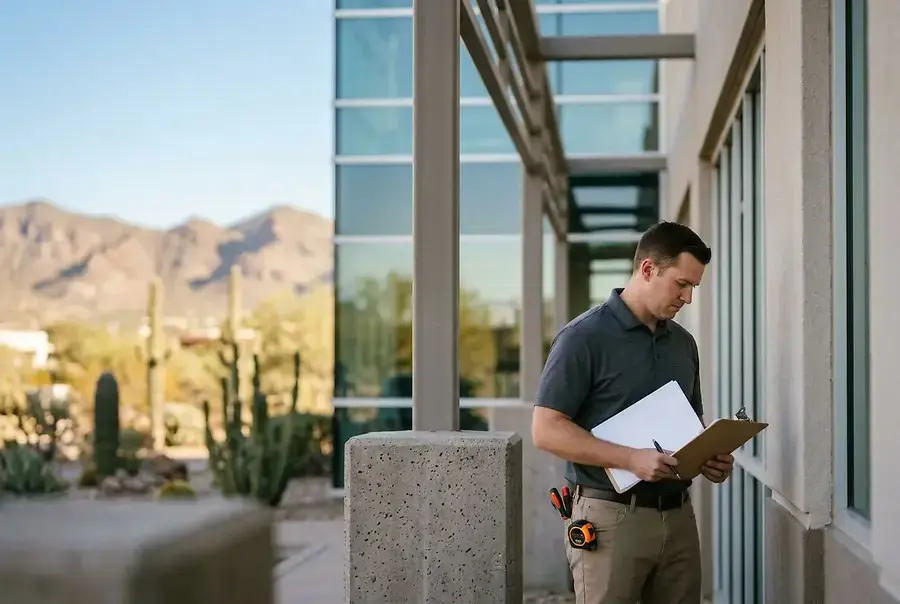
Begin with a comprehensive physical inspection of the property. Hire a qualified commercial building inspector to evaluate:
- Foundation integrity and structural soundness
- Roof condition and remaining lifespan
- HVAC systems, plumbing, and electrical infrastructure
- Windows, doors, and exterior walls
- Interior finishes and potential code violations
- Safety systems including fire suppression and emergency exits
Document all findings in a detailed report. This inspection reveals the true condition of the property and helps you estimate future maintenance and repair costs.
Environmental Site Assessment (ESA)
An Environmental Site Assessment is essential for commercial properties, particularly those with industrial history or located near potential contamination sources. A Phase I ESA involves:
- Historical research of the property and surrounding area
- Review of environmental records and regulatory databases
- Site reconnaissance and visual inspection
- Interviews with current and former property managers
If the Phase I ESA identifies potential contamination concerns, a Phase II ESA may be necessary. This involves soil and groundwater sampling to determine if hazardous substances are present. Environmental liabilities can be extremely costly, making this assessment a non-negotiable part of your due diligence.
Specialized Inspections
Depending on the property type, you may need additional specialized inspections:
- Asbestos and Lead Paint Surveys: Required for older buildings to identify hazardous materials
- Mold Inspection: Particularly important in Arizona's climate where moisture issues can develop
- Pest and Termite Inspection: Essential for protecting the structural integrity of the building
- ADA Compliance Review: Ensures the property meets accessibility requirements
Financial Documentation and Title Review Requirements
Title Search and Insurance
Conduct a thorough title search to verify that the seller has clear ownership and the right to sell the property. This search reveals:
- Ownership history and chain of title
- Liens, mortgages, or other encumbrances
- Easements or rights-of-way affecting the property
- Zoning restrictions and deed restrictions
- Tax assessment information
Obtain a title insurance policy to protect against future claims. Title insurance provides financial protection if someone later challenges your ownership or if hidden title defects emerge.
Financial and Operational Records
Request and thoroughly review the seller's financial documentation:
- Lease Agreements: Review all tenant leases, including terms, renewal options, and rent escalation clauses
- Operating Statements: Verify income and expense figures for the past 3-5 years
- Tax Returns: Compare seller's tax returns with operating statements to identify discrepancies
- Utility Bills: Analyze consumption patterns and identify potential inefficiencies
- Insurance Policies: Review current coverage and identify any gaps
- Maintenance Records: Assess the property's maintenance history and upcoming capital needs
Pro Tip: Hire a commercial real estate accountant to analyze financial documents. They can identify red flags, verify income claims, and help you understand the true profitability of the investment.
Zoning and Land Use Compliance
Verify that the property's current use complies with local zoning regulations. Contact the City of Phoenix Planning and Development Department to confirm:
- Current zoning designation
- Permitted uses under the zoning classification
- Any variances or conditional use permits in place
- Future development plans for the area
- Parking and setback requirements
If you plan to change the property's use, determine whether the zoning allows your intended purpose or if you'll need to apply for a zoning variance or conditional use permit.
Permits and Licenses
Obtain copies of all permits and licenses associated with the property, including:
- Building permits for any renovations or additions
- Occupancy permits and certificates of occupancy
- Business licenses and operational permits
- Health department permits (if applicable)
Verify that all work was completed according to approved plans and that proper inspections were conducted.
Protecting Your Commercial Investment in Phoenix
Due diligence is your opportunity to make an informed decision about a significant investment. By systematically working through this checklist, you'll identify potential issues before they become your problems and gain the knowledge needed to negotiate effectively.
Don't rush the process. Allow adequate time for inspections, document review, and professional analysis. The cost of thorough due diligence is minimal compared to the potential cost of purchasing a property with hidden defects or liabilities.
Work with experienced professionals—commercial real estate attorneys, accountants, inspectors, and environmental consultants—who understand the Phoenix market. Their expertise will help you navigate complex issues and protect your investment.
By following this comprehensive due diligence checklist, you'll approach your Phoenix commercial property acquisition with confidence, knowing you've done your homework and made a sound investment decision.