Introduction: Why Home Inspections Matter in Raleigh's Competitive Market
Buying a home in Raleigh is one of the most significant financial decisions you'll make. With the competitive real estate market in North Carolina's capital, it's easy to get caught up in the excitement and overlook critical details. However, skipping or rushing through a professional home inspection could cost you thousands in unexpected repairs and headaches down the road.
A thorough home inspection is your opportunity to uncover hidden problems before you sign the final papers. Whether you're purchasing a charming historic home in downtown Raleigh or a newer construction in the suburbs, understanding what inspectors look for—and what you should prioritize—gives you the knowledge to negotiate confidently and protect your investment.
Essential Structural and Foundation Elements to Evaluate
Foundation Integrity and Settling
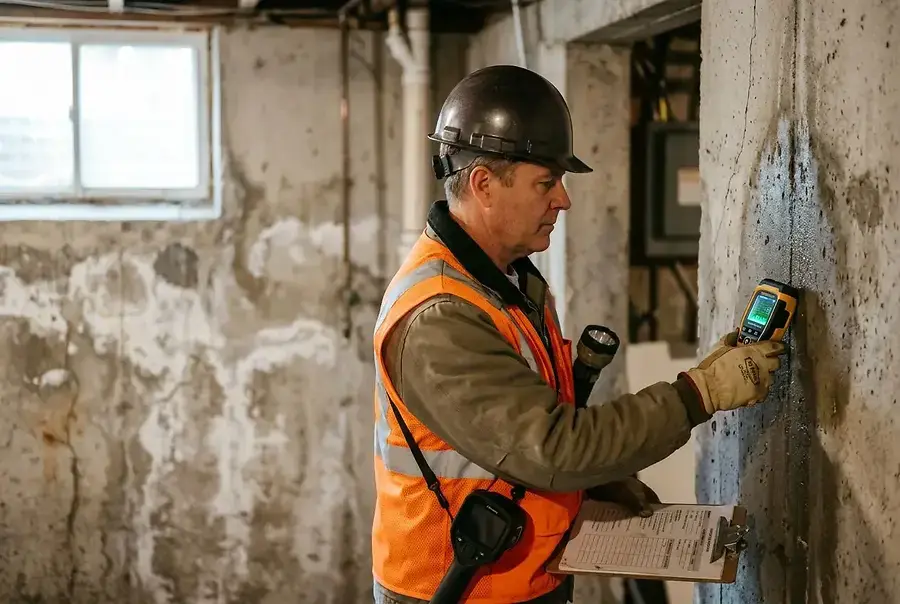
The foundation is the backbone of any home. In Raleigh, where soil composition and moisture levels can vary significantly, foundation issues are a common concern. During your inspection, pay close attention to:
- Visible cracks in the foundation walls or basement floors—hairline cracks are normal, but larger cracks may indicate serious settling or water damage
- Water stains or efflorescence (white mineral deposits) that suggest moisture intrusion
- Uneven floors or doors that don't close properly, which can signal foundation movement
- Basement dampness or standing water, indicating drainage problems
Structural Framing and Load-Bearing Walls
Your inspector will examine the home's structural framing to ensure it's sound and properly supported. This includes checking for:
- Rotted or damaged wood framing, particularly in older Raleigh homes
- Proper support beams and adequate spacing between structural elements
- Signs of pest damage or wood-boring insects that compromise structural integrity
Roof Structure and Attic Condition
The roof is your home's first line of defense against Raleigh's weather. Inspectors will evaluate the attic space for proper ventilation, insulation, and signs of leaks or water damage. Look for sagging roof lines, which can indicate structural problems requiring immediate attention.
Critical Systems: Plumbing, Electrical, HVAC, and Roof Integrity
Plumbing System Assessment
Water-related issues can be expensive and destructive. Your inspection should cover:
- Water pressure and flow from all fixtures to ensure adequate supply
- Pipe material and condition—older homes may have outdated galvanized or polybutylene pipes that need replacement
- Drain functionality and signs of slow drains or backups
- Water heater age and condition, including proper venting and safety features
- Septic system inspection (if applicable) to verify proper function and maintenance history
"Don't overlook the small details—a slow drain today could indicate a major blockage tomorrow that costs thousands to repair."
Electrical System Safety
Electrical problems pose serious safety risks. Your inspector will examine:
- Panel capacity and condition to ensure it can handle your home's electrical demands
- Proper grounding and bonding for safety compliance
- Outdated wiring like aluminum or knob-and-tube wiring that may need replacement
- GFCI outlets in kitchens, bathrooms, and outdoor areas for shock protection
- Adequate outlets and proper circuit distribution throughout the home
HVAC System Evaluation
Raleigh's hot, humid summers and mild winters put significant demands on heating and cooling systems. Your inspection should verify:
- Age and condition of the furnace and air conditioning unit
- Proper operation of both heating and cooling functions
- Ductwork integrity and proper insulation to prevent energy loss
- Thermostat functionality and ability to maintain consistent temperatures
- Maintenance records showing regular service and filter changes
Roof Condition and Longevity
The roof is one of the most expensive systems to replace. During inspection, evaluators will assess:
- Shingle condition—missing, curled, or deteriorating shingles indicate age and potential leaks
- Flashing around chimneys, vents, and skylights to prevent water intrusion
- Gutters and downspouts for proper drainage and absence of debris
- Estimated remaining lifespan to budget for future replacement
- Evidence of previous repairs or patches that may indicate ongoing issues
Conclusion: Using Your Inspection Report to Negotiate and Move Forward Confidently
A comprehensive home inspection report is more than just a checklist—it's your roadmap to making an informed decision. Once you receive the report, take time to review it thoroughly and ask your inspector to explain any concerns in detail.
Use your findings strategically: If significant issues are discovered, you have several options. You can request repairs before closing, ask for credits to handle repairs yourself, or renegotiate the purchase price. In Raleigh's competitive market, knowing exactly what you're buying gives you leverage in negotiations.
Remember, no home is perfect. Minor wear and tear is normal, especially in older properties. However, major structural issues, failing systems, or safety concerns should be addressed before you commit to the purchase. By prioritizing the critical inspection points outlined here, you'll protect your investment and move forward with confidence in your new Raleigh home.
Don't rush the inspection process. It's one of the most important steps in your home-buying journey, and the small investment in a thorough inspection can save you tens of thousands of dollars in the long run.