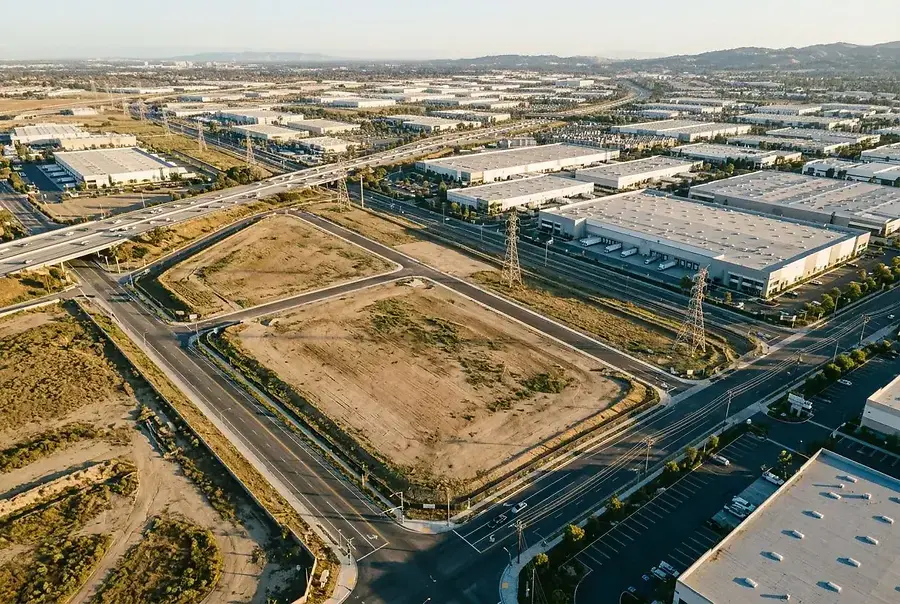
The Strategic Value of Land Banking in LA County's Commercial Market
Land banking has emerged as one of the most sophisticated strategies for commercial real estate investors looking to capitalize on LA County's explosive growth trajectory. Unlike traditional property investment, land banking involves acquiring undeveloped or underutilized land with the intention of holding it for future development or resale when market conditions become optimal. This forward-thinking approach allows investors to secure prime locations before prices skyrocket, positioning themselves for substantial returns.
LA County's commercial real estate market continues to experience unprecedented demand. With population growth, industrial expansion, and infrastructure development accelerating across the region, savvy investors recognize that acquiring land today means securing tomorrow's most valuable assets. The City of Industry and surrounding Los Angeles areas represent particularly compelling opportunities for those willing to think strategically about their investment timeline.
Understanding Land Banking: How It Works and Why Commercial Investors Choose It
The Mechanics of Land Banking
Land banking operates on a simple yet powerful principle: purchase land at current market rates, hold it through appreciation cycles, and sell or develop it when conditions align with your investment goals. The strategy requires patience, capital, and market insight, but the rewards can be extraordinary.
Here's why commercial investors are increasingly turning to land banking:
- Lower acquisition costs: Undeveloped land typically costs significantly less than improved properties, allowing investors to control larger parcels with the same capital investment
- Reduced carrying costs: Vacant land requires minimal maintenance compared to developed commercial properties, lowering ongoing expenses
- Appreciation potential: As surrounding areas develop and infrastructure improves, land values can multiply exponentially
- Flexibility: Land banking provides options—investors can develop, hold longer, or sell to developers when market timing is optimal
- Tax advantages: Strategic land banking can offer favorable tax treatment compared to other real estate investments
The Investment Timeline
Successful land banking requires understanding that this is not a short-term strategy. Most commercial investors hold land for 5-15 years, allowing market forces and development trends to work in their favor. During this period, strategic investors monitor zoning changes, infrastructure projects, and demographic shifts that could accelerate appreciation.
City of Industry and Los Angeles: Prime Land Banking Opportunities and Growth Corridors
City of Industry: The Commercial Powerhouse
The City of Industry stands as one of Southern California's most dynamic commercial hubs. This strategically located municipality has become a magnet for industrial, logistics, and manufacturing operations. Land banking opportunities here are particularly attractive because of the city's consistent industrial growth and limited available acreage.
Key factors driving land value appreciation in City of Industry include:
- Proximity to major transportation corridors and ports
- Established industrial infrastructure and business ecosystem
- Limited developable land, creating scarcity value
- Strong demand from logistics and e-commerce companies
- Competitive business environment attracting major corporations
Los Angeles: Diverse Development Opportunities
Los Angeles offers a more diverse landscape for land banking strategies. From downtown revitalization zones to emerging neighborhoods experiencing rapid gentrification, LA presents multiple pathways to investment success. Commercial investors can target specific corridors aligned with their expertise and risk tolerance.
Strategic growth corridors in Los Angeles include areas experiencing:
- Mixed-use development initiatives
- Transit-oriented development projects
- Tech and innovation district expansion
- Retail and hospitality sector growth
- Adaptive reuse and urban renewal programs
Market Timing and Infrastructure Development
Successful land bankers in LA County closely monitor infrastructure projects. New transit lines, highway improvements, and utility expansions can dramatically accelerate land appreciation. Investors who identify land positioned to benefit from these developments before they're widely recognized gain significant competitive advantages.
Building Your Land Banking Portfolio: Steps to Maximize Long-Term Commercial Returns
Step 1: Conduct Thorough Market Research
Begin by analyzing demographic trends, employment growth, and development patterns. Understanding where LA County is heading is more important than understanding where it's been. Study zoning maps, master plans, and municipal development strategies to identify areas poised for growth.
Step 2: Identify Undervalued Opportunities
Look for land that hasn't yet captured the attention of mainstream investors. Properties in transition zones, near planned infrastructure projects, or in emerging commercial corridors often represent the best value. Work with local real estate professionals who understand micro-market dynamics.
Step 3: Evaluate Financial Viability
Ensure your land banking strategy is financially sound. Consider:
- Acquisition costs and financing options
- Annual carrying costs (taxes, insurance, maintenance)
- Projected holding period and appreciation rates
- Exit strategies and potential development scenarios
- Risk factors and market volatility
Step 4: Secure Appropriate Financing
Land banking requires capital, but it doesn't necessarily require all cash. Many investors use creative financing strategies including partnerships, mezzanine financing, or seller financing to control larger portfolios. Work with lenders experienced in land banking to structure deals optimally.
Step 5: Monitor and Adapt Your Strategy
Successful land bankers remain actively engaged with their portfolios. Monitor zoning changes, development announcements, and market conditions. Be prepared to adjust your strategy as opportunities emerge or market conditions shift. Flexibility combined with strategic patience creates winning land banking portfolios.
Step 6: Plan Your Exit Strategy
Before acquiring land, understand your exit options. Will you develop the property yourself? Sell to a developer? Hold for generational wealth? Your exit strategy should align with your investment goals and market conditions when the time comes to monetize your holdings.
Conclusion
Land banking represents a sophisticated approach to commercial real estate investment that rewards patience, research, and strategic thinking. In LA County's dynamic market, particularly in high-growth areas like City of Industry and emerging Los Angeles corridors, land banking opportunities abound for investors willing to think long-term.
By understanding how land banking works, identifying prime opportunities, and building a disciplined portfolio management approach, commercial investors can position themselves to capture significant wealth creation as LA County continues its remarkable growth trajectory. The key is starting today—before the best opportunities are recognized by the broader market.