Why Home Staging Matters in the Raleigh Real Estate Market
Home staging has become an essential strategy for sellers in the Raleigh real estate market. When potential buyers walk into your home, they're not just evaluating the physical structure—they're imagining themselves living there. Professional staging helps buyers envision the full potential of your property, which can significantly impact both the speed of sale and the final price.
In Raleigh's competitive market, homes that are properly staged typically sell faster and for higher prices compared to unstaged properties. Staging creates an emotional connection between buyers and your home, making it memorable among the dozens of properties they may view. This psychological advantage can be the difference between receiving multiple offers and waiting months for a single buyer.
The Financial Impact of Staging
Research shows that staged homes can sell for 5-10% more than their unstaged counterparts. When you consider the median home price in Raleigh, this percentage translates to thousands of dollars in additional profit. The investment in staging typically costs a fraction of what you'll gain in increased sale price, making it one of the smartest decisions a seller can make.
Room-by-Room Staging Strategies That Attract Buyers
The Front Entrance and Curb Appeal
First impressions matter tremendously. Your front entrance is the first thing buyers see, and it sets the tone for their entire visit. Focus on these key elements:
- Clean and paint the front door in a welcoming color
- Add fresh landscaping and well-maintained plants
- Ensure the walkway is clean and well-lit
- Remove clutter from the porch and entrance area
- Consider adding a new mailbox or house numbers for a polished look
The Living Room
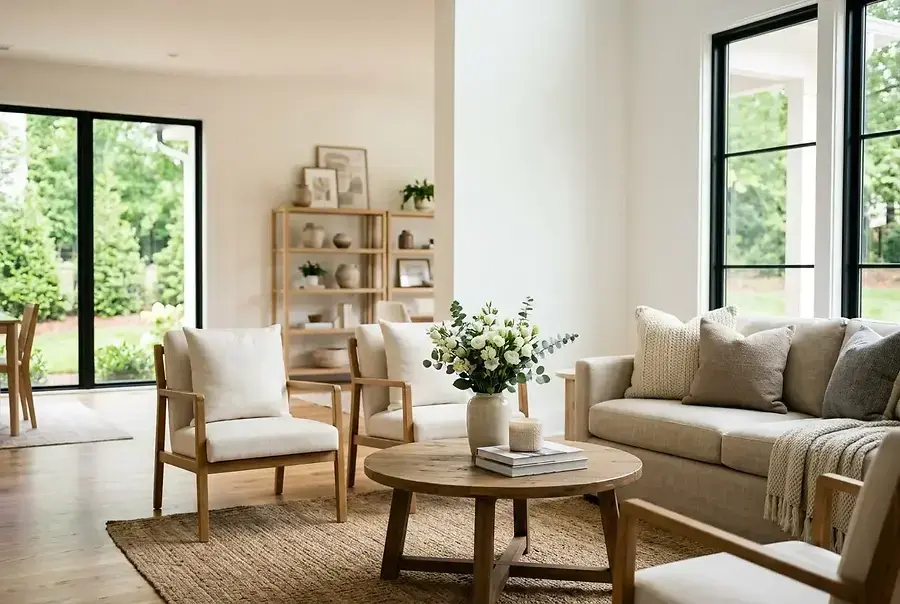
The living room should feel spacious, inviting, and neutral. Arrange furniture to create conversation areas and highlight the room's best features. Remove personal items like family photos and bold artwork that might distract buyers from envisioning their own lives in the space. Keep the color palette neutral with pops of color through accessories that can easily be changed.
The Kitchen
Kitchens are often the deciding factor for buyers. Make yours shine by:
- Thoroughly cleaning all appliances and surfaces
- Decluttering countertops—keep only essential items visible
- Updating cabinet hardware if it looks dated
- Ensuring adequate lighting throughout the space
- Staging the dining area adjacent to the kitchen with a simple, elegant table setting
The Master Bedroom
Create a serene and luxurious retreat by keeping the bedroom simple and uncluttered. Use neutral bedding, add quality pillows, and ensure the room feels spacious. Remove personal items and minimize furniture to make the room appear larger. A well-staged master bedroom should feel like a peaceful sanctuary that buyers can't wait to call their own.
The Bathrooms
Bathrooms should be spotlessly clean and spa-like. Replace old shower curtains, add fresh towels, and ensure all fixtures are gleaming. Small touches like a scented candle or fresh flowers can create a luxurious atmosphere. Make sure lighting is bright and flattering, as poor bathroom lighting can be a major turn-off for buyers.
Common Staging Mistakes Raleigh Sellers Should Avoid
Over-Personalizing Your Space
While your family photos and personal collections are meaningful to you, they can distract buyers from imagining their own lives in the home. Remove at least 50% of personal items before showing your property. This includes family portraits, children's artwork, and collections that reflect your unique taste.
Neglecting Cleanliness
No amount of staging can overcome a dirty home. Buyers notice dust, stains, and odors immediately. Invest in professional cleaning services before staging, and maintain that cleanliness throughout the selling process. Pay special attention to baseboards, light fixtures, and often-overlooked areas like ceiling fans and window sills.
Using Bold Colors and Patterns
While your bright purple accent wall might be your favorite design choice, it can be a dealbreaker for potential buyers. Stick to neutral, calming colors that appeal to the widest audience. Save bold design choices for after the new owners move in.
Overcrowding Rooms with Furniture
Too much furniture makes rooms feel smaller and cramped. Remove excess pieces to create an open, airy feel. Buyers want to see the potential of your space, not navigate around your belongings. Less is definitely more when it comes to staging.
Ignoring Lighting
Poor lighting can make even a beautiful home feel dark and uninviting. Open all curtains and blinds during showings, replace dim bulbs with brighter ones, and consider adding additional lighting fixtures if needed. Natural light is a major selling point—don't hide it.
Measuring Your Staging Success: Timeline and Results
Expected Timeline for Results
Most properly staged homes in Raleigh begin receiving serious interest within the first two weeks of listing. You should expect to see increased foot traffic and more qualified inquiries compared to unstaged properties. The average time on market for a well-staged home is typically 30-45 days, compared to 60+ days for unstaged homes.
Key Metrics to Track
Monitor these important indicators to measure your staging success:
- Number of showings per week
- Buyer feedback and comments
- Number of offers received
- Final sale price compared to asking price
- Time spent on the market
Adjusting Your Strategy
If you're not seeing the results you expected after two weeks, work with your real estate agent to identify what might need adjustment. Perhaps certain rooms need additional decluttering, or lighting could be improved. Staging is not a one-time event—it's an ongoing process that may require refinement based on buyer feedback and market response.
Remember: The goal of staging is not to create a showroom, but to help buyers see the true potential of your Raleigh home and envision their future there. When done correctly, staging is an investment that pays for itself many times over.