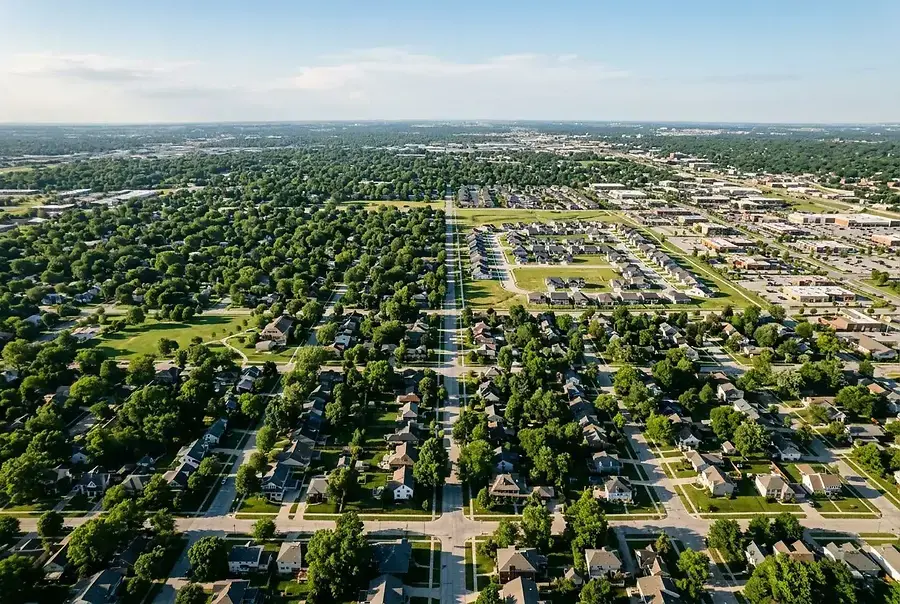
Understanding Local Market Dynamics and Property Valuations
The Omaha metropolitan area has emerged as one of the Midwest's most dynamic real estate markets, with each neighborhood offering distinct characteristics that influence property values. Understanding these local market dynamics is essential for both homebuyers and investors seeking to make informed decisions about where to purchase property.
Home values in the greater Omaha area are shaped by a complex interplay of factors including proximity to employment centers, school district quality, infrastructure development, and community amenities. The region's steady economic growth and diverse job market have created sustained demand for residential properties across multiple neighborhoods, each with its own unique appeal and investment potential.
The Role of Economic Growth in Property Appreciation
Omaha's robust economy, anchored by major corporations and financial institutions, continues to drive population growth and housing demand. This economic vitality translates directly into property appreciation, as more professionals relocate to the area seeking employment opportunities. Neighborhoods positioned near major business districts and employment hubs typically experience stronger appreciation rates than those further removed from economic centers.
Neighborhood Comparison: Growth Potential and Current Market Conditions
Bellevue: The Suburban Growth Leader
Bellevue has established itself as one of the region's fastest-growing communities, with modern infrastructure and family-friendly amenities driving consistent property value increases. The neighborhood's proximity to Offutt Air Force Base and its expanding commercial district create strong economic foundations for sustained growth. Current market conditions show healthy inventory levels and competitive pricing that appeals to both first-time homebuyers and established families.
La Vista: Premium Living and Steady Appreciation
La Vista represents the premium end of the Omaha market, featuring upscale homes, excellent schools, and comprehensive community services. Properties in this neighborhood command higher price points but offer strong long-term appreciation potential. The area's mature infrastructure and established reputation make it attractive to affluent buyers seeking stability and quality of life.
Millard: Family-Oriented Excellence
Millard consistently ranks among the region's most desirable neighborhoods, driven by its exceptional school district and family-oriented community culture. Home values here reflect the strong demand from families prioritizing education quality. The neighborhood's steady appreciation and low vacancy rates indicate sustained market strength and investor confidence.
Ralston, Papillion, Benson, and Elkhorn: Diverse Opportunities
These neighborhoods offer varied investment opportunities at different price points. Ralston provides affordable entry points for first-time buyers, while Papillion combines suburban charm with growing commercial development. Benson attracts younger professionals with its revitalization efforts and walkable community features. Elkhorn offers newer construction and family amenities, appealing to those seeking modern homes in established neighborhoods.
Key Factors Affecting Home Values in Each Community
School District Quality and Family Appeal
School district ratings significantly impact home values across all eight neighborhoods. Families prioritize educational excellence, and properties in top-rated school districts command premium prices. Millard and La Vista benefit most from this factor, while other neighborhoods are actively improving their educational offerings to enhance property values.
Infrastructure and Accessibility
Proximity to major highways, public transportation, and commercial centers directly influences property valuations. Neighborhoods with excellent road networks and convenient access to employment centers experience stronger demand and appreciation. The development of new infrastructure projects in areas like Bellevue and Elkhorn continues to boost their market appeal.
Community Amenities and Lifestyle Features
Parks, recreation facilities, shopping centers, and dining options enhance neighborhood desirability. Communities investing in quality amenities attract more buyers and support higher property values. The presence of well-maintained public spaces and diverse entertainment options distinguishes premium neighborhoods from emerging ones.
Economic Stability and Employment Opportunities
Neighborhoods near major employment centers benefit from reduced commute times and stronger economic fundamentals. The concentration of corporate headquarters and financial services in specific areas creates localized demand for residential properties. This economic proximity directly translates to property value appreciation.
Housing Supply and Market Inventory
The balance between housing supply and demand significantly affects price appreciation. Neighborhoods with limited inventory relative to demand experience faster appreciation, while those with abundant supply may see more moderate growth. Current market conditions show varied inventory levels across the eight neighborhoods, creating different investment opportunities.
Making Your Investment Decision Based on Market Data
Assessing Your Investment Goals
Before selecting a neighborhood, clearly define your investment objectives. Are you seeking rapid appreciation, steady long-term growth, or rental income potential? Different neighborhoods serve different investment strategies. Premium neighborhoods like La Vista and Millard offer stability and consistent appreciation, while emerging areas like Benson provide growth potential at lower entry points.
Evaluating Neighborhood Trends
Analyze recent sales data, price trends, and market forecasts for your target neighborhoods. Look for indicators of sustained growth, including new construction activity, business development, and infrastructure improvements. Neighborhoods showing positive momentum across multiple indicators typically offer better investment potential than those with stagnant or declining metrics.
Considering Your Personal Circumstances
Your choice should balance investment potential with personal lifestyle preferences. Consider commute times, school quality, community culture, and amenity access. The best investment is one that meets both your financial goals and quality-of-life expectations, ensuring long-term satisfaction with your purchase.
Strategic Recommendations
For Conservative Investors: La Vista and Millard offer proven appreciation and stable markets with lower risk profiles. For Growth-Oriented Buyers: Bellevue and Elkhorn present strong appreciation potential with developing infrastructure. For Value Seekers: Ralston and Papillion offer affordable entry points with improving fundamentals. For Urban Lifestyle Enthusiasts: Benson's revitalization efforts create unique opportunities in a walkable, culturally vibrant setting.
The Omaha real estate market offers compelling opportunities across diverse neighborhoods, each with distinct advantages. By understanding local market dynamics, comparing neighborhood characteristics, and evaluating key value drivers, you can make informed investment decisions that align with your financial goals and lifestyle preferences. Whether you prioritize appreciation potential, community amenities, or affordability, Omaha's eight top neighborhoods provide options for every investor and homebuyer.