Why Property Tax Knowledge Matters for Homeowners
Property taxes represent one of the largest ongoing expenses for homeowners in McLean and Tysons Corner. Understanding how these assessments are calculated can help you make informed decisions about your investment and potentially save thousands of dollars. Many homeowners in Northern Virginia's premium neighborhoods overlook the importance of reviewing their tax assessments, missing opportunities to challenge inaccurate valuations or discover ways to reduce their tax burden.
In Fairfax County, property taxes fund essential services including schools, public safety, and infrastructure maintenance. By understanding the assessment process, you gain insight into how your property value is determined and can take proactive steps to ensure accuracy.
How Property Tax Assessments Are Calculated in Fairfax County
The Assessment Process
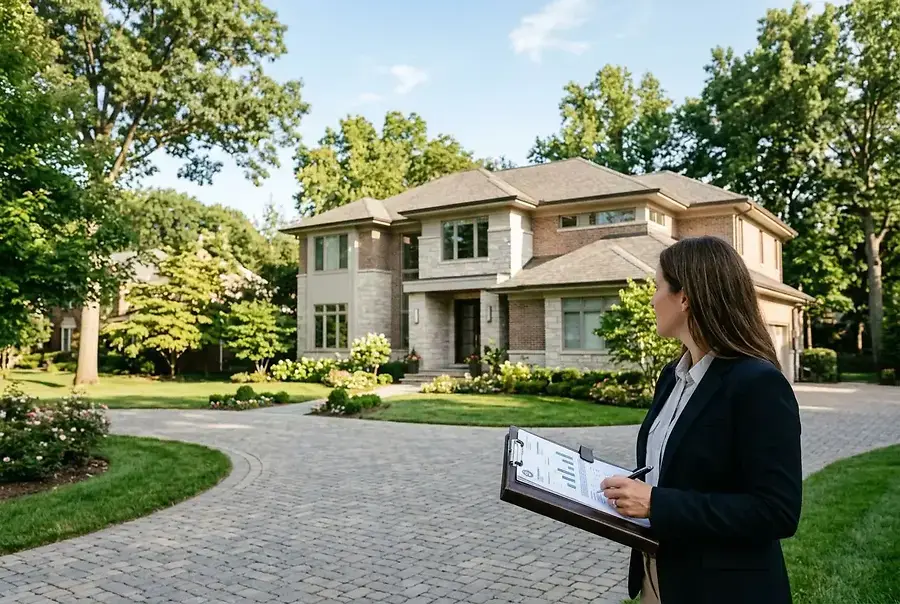
The Fairfax County Assessor's Office conducts systematic assessments of all properties to determine their fair market value. This process involves:
- Physical inspections of properties, both interior and exterior
- Analysis of recent comparable sales in your neighborhood
- Review of property records and improvements
- Consideration of market trends and economic conditions
Fair Market Value Determination
Your property's assessed value is based on its fair market value, which represents the price at which a property would sell between a willing buyer and seller in an open market. The assessor uses three primary approaches to determine this value:
- Sales Comparison Approach: Comparing your home to recently sold properties with similar characteristics
- Cost Approach: Calculating the cost to rebuild your home plus land value
- Income Approach: For investment properties, analyzing potential rental income
Key Factors That Influence Your Home's Tax Assessment
Property Characteristics
Several physical characteristics significantly impact your assessment value. The size of your home, measured in square footage, is one of the most important factors. Homes in McLean and Tysons Corner with larger lot sizes and more living space typically receive higher assessments. Additionally, the age and condition of your property play crucial roles—newer homes or those with recent renovations may be valued higher than older properties requiring maintenance.
Location and Neighborhood Factors
Location is paramount in Northern Virginia's real estate market. Properties in desirable neighborhoods with excellent schools, proximity to employment centers, and strong community amenities command premium assessments. Proximity to major transportation corridors, such as the Dulles Toll Road or Metro access, can significantly increase your home's assessed value. Neighborhood trends, including recent sales activity and market demand, also influence assessments.
Home Features and Improvements
Specific features of your home directly affect its assessment:
- Number of bedrooms and bathrooms
- Quality of construction and materials used
- Presence of amenities such as pools, decks, or garages
- Energy efficiency upgrades and modern systems
- Basement finish and additional living spaces
Market Conditions
The broader real estate market significantly influences assessments. During periods of strong demand and rising property values, assessments typically increase. Conversely, market downturns may result in lower assessments. The assessor monitors market trends closely to ensure assessments reflect current conditions.
Strategies for Reviewing and Appealing Your Assessment
Step 1: Review Your Assessment Notice
When you receive your assessment notice from the Fairfax County Assessor's Office, carefully review all information for accuracy. Verify that your property details are correct, including square footage, number of rooms, lot size, and any special features. Errors in these basic details can lead to inflated assessments.
Step 2: Research Comparable Properties
Conduct your own market analysis by researching recently sold properties similar to yours. Look for homes in your neighborhood with comparable size, age, and features. Online real estate databases and public records can provide valuable information about recent sales prices. If comparable properties sold for significantly less than your assessed value, you may have grounds for an appeal.
Step 3: Gather Supporting Documentation
Compile evidence to support your appeal, including:
- Recent appraisals or professional valuations
- Documentation of property defects or needed repairs
- Comparable sales data from your neighborhood
- Photos showing property condition
- Records of recent renovations or improvements
Step 4: File Your Appeal
Fairfax County provides a formal appeal process. You must file your appeal within the specified timeframe after receiving your assessment notice. Missing the deadline can forfeit your right to appeal, so mark your calendar immediately. Submit your appeal with all supporting documentation to the Assessor's Office.
Step 5: Prepare for the Hearing
If your appeal proceeds to a hearing, prepare a clear presentation of your case. Organize your comparable sales data, highlight any assessment errors, and be ready to discuss your property's condition and features. Many successful appeals are won by homeowners who present well-organized, factual evidence of overvaluation.
When to Seek Professional Help
For complex situations or significant assessment discrepancies, consider hiring a property tax consultant or appraiser. These professionals understand the nuances of the assessment process and can strengthen your appeal. Their expertise often results in successful reductions that justify their fees.
Taking Action
Property tax assessments in McLean and Tysons Corner can be substantial, making it worthwhile to invest time in understanding and reviewing your assessment. By familiarizing yourself with the calculation process, identifying factors affecting your value, and knowing how to appeal if necessary, you can protect your financial interests.
Don't assume your assessment is accurate—take an active role in reviewing your property's valuation and challenging any errors you discover.
