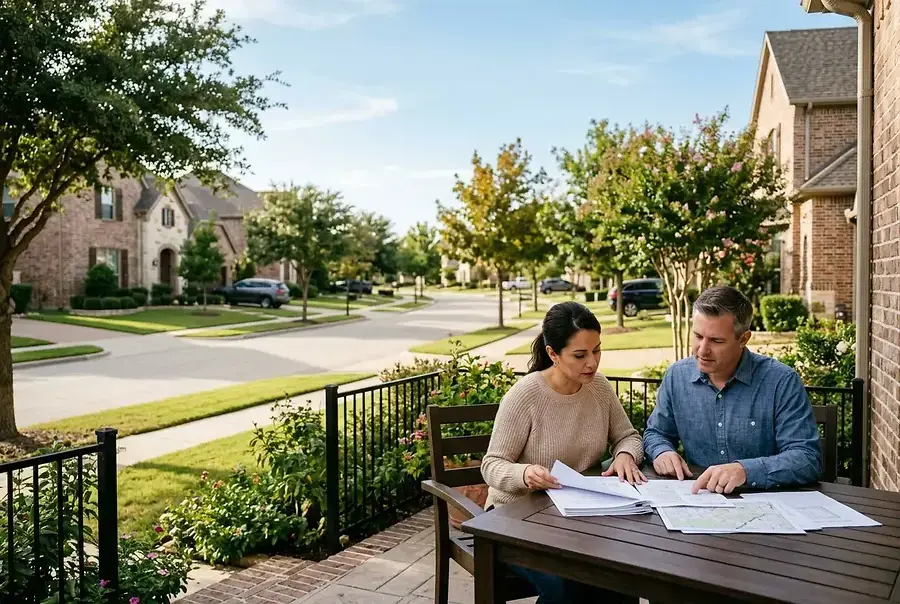
Understanding DFW Property Tax Fundamentals
Property taxes are a critical component of homeownership in the Dallas-Fort Worth metropolitan area. Unlike income taxes, property taxes are assessed annually based on the appraised value of your home and the tax rates set by local taxing units. Understanding how these taxes work is essential for making informed real estate decisions.
In Texas, property taxes fund essential services including schools, fire departments, law enforcement, and infrastructure development. The state has no income tax, which means local governments rely heavily on property tax revenue. Your annual property tax bill is calculated by multiplying your home's appraised value by the applicable tax rate, expressed as a percentage or per $100 of assessed value.
How Appraisals Affect Your Taxes
The appraised value of your property directly impacts your tax bill. County appraisal districts conduct regular assessments to determine fair market values. Homeowners have the right to challenge appraisals they believe are inaccurate, which can result in significant tax savings.
Tax Rate Components
Your property tax rate consists of several components:
- School District Taxes: Typically the largest portion, funding public education
- City or County Taxes: Supporting municipal services and infrastructure
- Special District Taxes: For water, drainage, and other specialized services
- Community College Taxes: Supporting higher education institutions
How Tax Rates Differ Across DFW Suburbs
The DFW region encompasses diverse communities with varying property tax rates. These differences stem from local funding needs, school district quality, and municipal services offered. Understanding these variations helps you make location-based financial decisions.
Richardson and North Dallas Suburbs
Richardson and surrounding northern suburbs typically feature competitive tax rates, often ranging from 1.8% to 2.2% of appraised value. These communities are known for excellent school districts and well-maintained infrastructure, which justifies their tax rates. The investment in education and services often translates to strong property value appreciation.
Dallas Proper and Inner-Ring Communities
Dallas proper and inner-ring suburbs generally have tax rates between 1.9% and 2.3%. These areas offer urban amenities, diverse neighborhoods, and established communities. Tax rates vary by specific location and school district, with some areas commanding premium rates due to desirable locations and school performance.
Fort Worth and Western Suburbs
Fort Worth and western suburban communities often feature tax rates ranging from 1.7% to 2.1%. These areas have experienced significant growth and development, attracting families seeking affordable homeownership with quality services. The variation in rates reflects different school district funding levels and municipal priorities.
Emerging Suburban Areas
Newer suburban communities on the periphery of DFW may offer lower initial tax rates, sometimes below 1.8%. However, these rates may increase as infrastructure develops and services expand. Buyers should consider long-term tax trajectory when evaluating emerging areas.
Strategies to Manage Your Property Tax Burden
While you cannot eliminate property taxes, several strategies can help reduce your tax burden and maximize your investment returns.
Challenge Your Appraisal
If you believe your home's appraised value is too high, file a formal protest with your county appraisal district. Gather comparable sales data, documentation of property defects, or recent appraisals to support your case. Many homeowners successfully reduce their tax bills through this process.
Explore Homestead Exemptions
Texas offers homestead exemptions that reduce the appraised value used for school taxes. Primary residents may qualify for exemptions that lower their school tax burden by approximately 20%. Some counties and cities offer additional exemptions for seniors or disabled individuals.
Consider Tax-Advantaged Locations
When evaluating properties, factor tax rates into your decision. A home in a lower-tax area might offer better long-term value, even if the purchase price is slightly higher. Calculate the total cost of ownership, including property taxes, over your expected holding period.
Monitor Tax Rate Changes
Stay informed about proposed tax rate increases in your area. Attend city council and school board meetings where tax rates are discussed. Early awareness allows you to plan financially and potentially advocate for fiscally responsible budgeting.
Maintain Your Property
Well-maintained properties may receive more favorable appraisals. Regular upkeep, timely repairs, and strategic improvements can positively influence how appraisers value your home, potentially keeping appraisals reasonable.
Making Tax-Informed Real Estate Decisions
Successful real estate investing in DFW requires understanding how property taxes impact your investment returns and quality of life.
Calculate Your True Cost of Ownership
Beyond the mortgage payment, property taxes represent a significant ongoing expense. When comparing properties or neighborhoods, calculate the annual tax burden and factor it into your affordability analysis. A property with a lower purchase price but higher tax rate may ultimately cost more.
Evaluate School District Quality
Higher-tax areas often correlate with better school districts. If education quality matters for your family, the additional tax investment may provide substantial returns through property appreciation and educational benefits. Conversely, if schools aren't a priority, lower-tax areas might offer better value.
Research Community Development Plans
Understanding a community's development trajectory helps predict future tax rate changes. Areas experiencing rapid growth may see increased tax rates as infrastructure expands. Established communities with stable populations may offer more predictable tax futures.
Work with Local Experts
Partner with real estate professionals familiar with DFW tax structures. Experienced agents and tax consultants can provide insights into area-specific tax trends, appraisal practices, and strategies tailored to your situation. Their expertise can save you thousands of dollars over your homeownership journey.
Plan for Long-Term Ownership
If you plan to stay in your home long-term, property taxes become increasingly important. A 0.3% difference in tax rates translates to significant savings over decades. Conversely, if you anticipate selling within a few years, tax rates may be less critical to your decision.
Understanding property taxes across DFW suburban communities empowers you to make smarter real estate decisions. By researching tax rates, exploring reduction strategies, and calculating true ownership costs, you can maximize your investment returns and find the community that best aligns with your financial goals and lifestyle preferences.
