Why Home Inspections Matter in North Texas
Purchasing a home is one of the most significant financial decisions you'll make in your lifetime. In the North Texas region, where the Dallas-Fort Worth metroplex experiences unique climate challenges and rapid development, a thorough home inspection is absolutely essential. Home inspectors serve as your advocate, identifying potential issues before you commit to a purchase.
The North Texas climate—characterized by intense heat, occasional severe storms, and significant temperature fluctuations—can take a toll on residential properties in ways that aren't immediately visible to the untrained eye. A professional home inspection protects your investment by uncovering hidden problems that could cost thousands to repair after closing.
Key Areas Inspectors Examine in Texas Properties
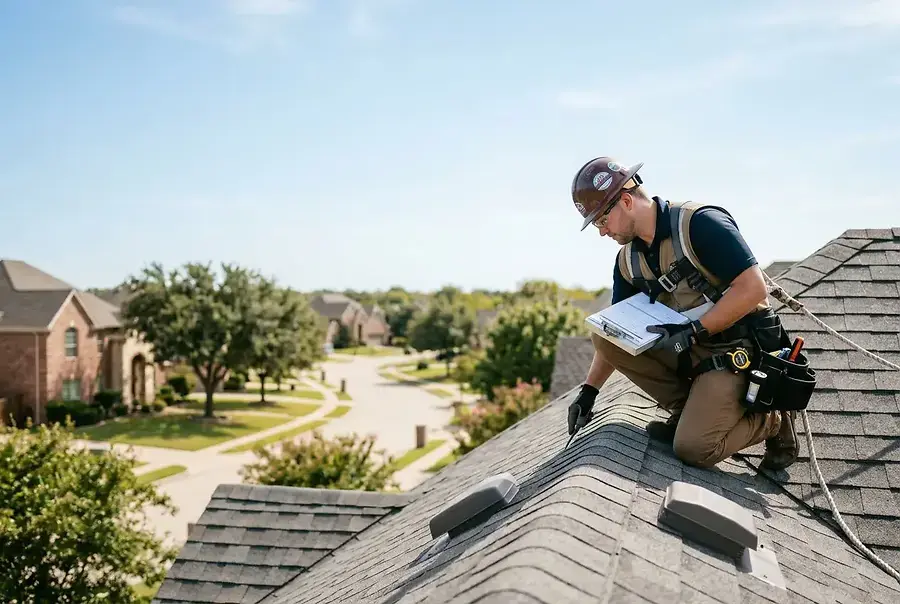
Roof and Attic Condition
In North Texas, the roof is your home's first line of defense against extreme weather. Inspectors carefully examine:
- Shingle condition and signs of wear, curling, or missing pieces
- Proper ventilation and insulation in the attic
- Evidence of leaks or water damage
- Flashing around chimneys and vents
- Overall structural integrity and remaining lifespan
Why it matters: A failing roof in North Texas can lead to catastrophic water damage during the region's severe thunderstorms and hail events.
HVAC Systems
Given the intense Texas heat and occasional cold snaps, HVAC systems work overtime in North Texas homes. Inspectors evaluate:
- Age and condition of air conditioning and heating units
- Proper refrigerant levels and system efficiency
- Ductwork integrity and insulation
- Thermostat functionality
- Maintenance records and service history
Why it matters: Replacing an HVAC system can cost $5,000 to $15,000, making this one of the most critical inspection points for DFW homebuyers.
Foundation and Structural Elements
North Texas soil composition can shift significantly, affecting home foundations. Inspectors look for:
- Cracks in the foundation, walls, or concrete slabs
- Signs of settling or uneven floors
- Water intrusion or moisture in basements and crawl spaces
- Proper grading around the foundation
- Evidence of previous foundation repairs
Why it matters: Foundation issues are expensive and can worsen over time if not properly addressed.
Plumbing and Water Systems
Water quality and delivery systems are crucial in any home. Inspectors examine:
- Water pressure and flow rates
- Pipe material and condition (galvanized, copper, PVC)
- Signs of leaks or corrosion
- Water heater age and functionality
- Septic systems or municipal connections
Why it matters: Plumbing repairs can be costly, and water damage can compromise the entire structure of a home.
Electrical Systems
A safe electrical system is non-negotiable. Inspectors check:
- Panel capacity and condition
- Proper grounding and bonding
- Outlet and switch functionality
- Presence of GFCI outlets in wet areas
- Compliance with current electrical codes
Why it matters: Outdated or faulty electrical systems pose serious fire and safety hazards.
Red Flags and Common Issues Found in DFW Homes
Water Damage and Moisture Problems
North Texas experiences significant rainfall during spring and summer months. Common moisture-related issues include:
- Staining on ceilings or walls indicating roof leaks
- Mold growth in attics, basements, or crawl spaces
- Efflorescence (white mineral deposits) on foundation walls
- Damaged or missing gutters and downspouts
Hail and Storm Damage
The DFW area is prone to severe hailstorms. Inspectors look for:
- Dents or damage to roof shingles
- Cracked or broken windows
- Damage to siding or exterior materials
- Compromised gutters and downspouts
Outdated Systems and Components
Many North Texas homes were built decades ago and may contain:
- Outdated electrical panels with insufficient capacity
- Galvanized water pipes prone to corrosion
- Aging HVAC systems nearing the end of their lifespan
- Asbestos or lead-based paint in older homes
Poor Ventilation and Insulation
Energy efficiency is critical in the Texas climate. Common issues include:
- Inadequate attic insulation
- Poor ventilation leading to moisture buildup
- Air leaks around windows, doors, and penetrations
- Inefficient ductwork design or installation
Using Inspection Results to Negotiate and Proceed Confidently
Once you receive your inspection report, you have several options. Don't panic if issues are found—most homes have some defects. Instead, use the report strategically:
Request repairs: Ask the seller to fix major issues before closing. This is particularly effective for critical systems like HVAC, plumbing, and roofing.
Negotiate credits: If the seller won't make repairs, request a credit toward closing costs to address issues yourself after purchase.
Walk away: If inspection reveals major structural or system problems that would be prohibitively expensive to fix, you may have grounds to terminate the contract.
Pro Tip: Always hire a licensed, experienced home inspector familiar with North Texas properties. Their regional knowledge is invaluable in identifying issues specific to our climate and soil conditions.
Understanding what home inspectors look for in North Texas properties empowers you to make informed decisions about your real estate investment. By prioritizing inspections and carefully reviewing results, you can protect yourself from costly surprises and negotiate confidently with sellers. Your future self will thank you for the diligence you invest today.